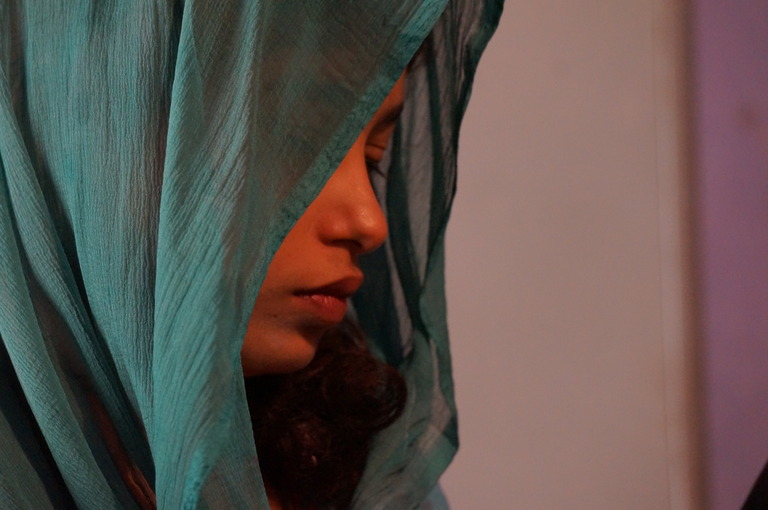
In Nepal, thousands of young women and girls fall victim to mostly well-organized human trafficking rings every year. Many end up in red-light districts in India or China; others are forced into prostitution or work as bar hostesses in South Africa, Kenya, Tanzania, or Malawi; still others are exploited as cheap domestic workers in Malaysia or the Gulf States; they are also frequently forced into providing services in Nepal itself—in the entertainment industry, massage parlors, dance bars, and similar establishments; still others eke out a living as cheap laborers in brick, carpet, or textile factories.
Thanks to more and more efforts in Nepal, in cooperation of NGOs and the authorities in particular, 2,000 to 3,000 victims can now be rescued each year.
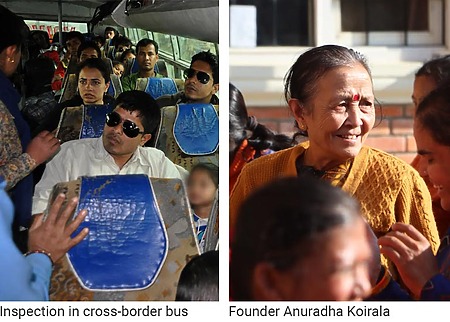
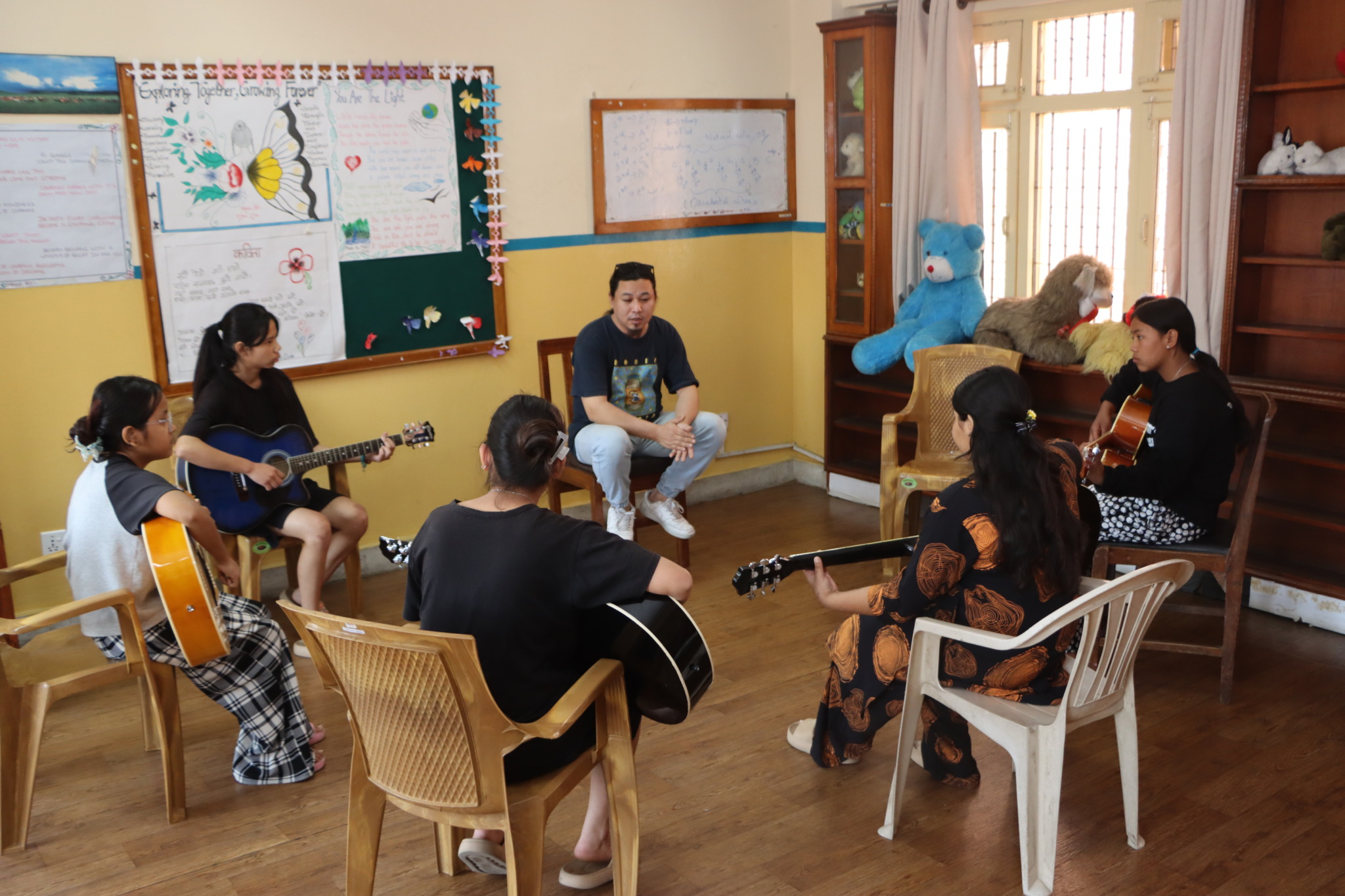
One of these NGOs is our partner organization Maiti Nepal, headquartered in Kathmandu. The Nepali word “Maiti” translates to “the mother’s home into which a girl was born.” Founded in 1993 by Anuradha Koirala, Maiti Nepal has been fighting tirelessly and successfully for over three decades to rescue and rehabilitate victims and operates shelters throughout the country: prevention centers, a women’s and protection center, a clinic, and a hospice, as well as its own school, the Teresa Academy.
Prevention is an increasingly important part of the organization’s work: along the unguarded borders with India, for example, Maiti Nepal has established its own monitoring network to intercept traffickers and their victims; rescue operations are carried out in collaboration with the police and the judiciary; and the girls find safe shelter in the 14 “Transit Homes” (protection centers near the border), where they receive medical, psychological, and legal assistance.
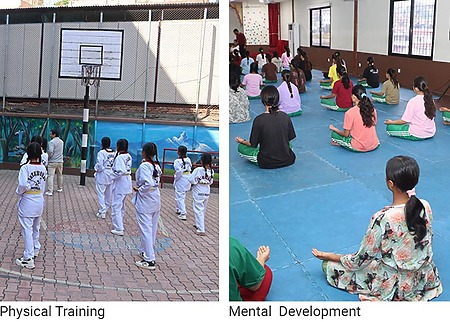
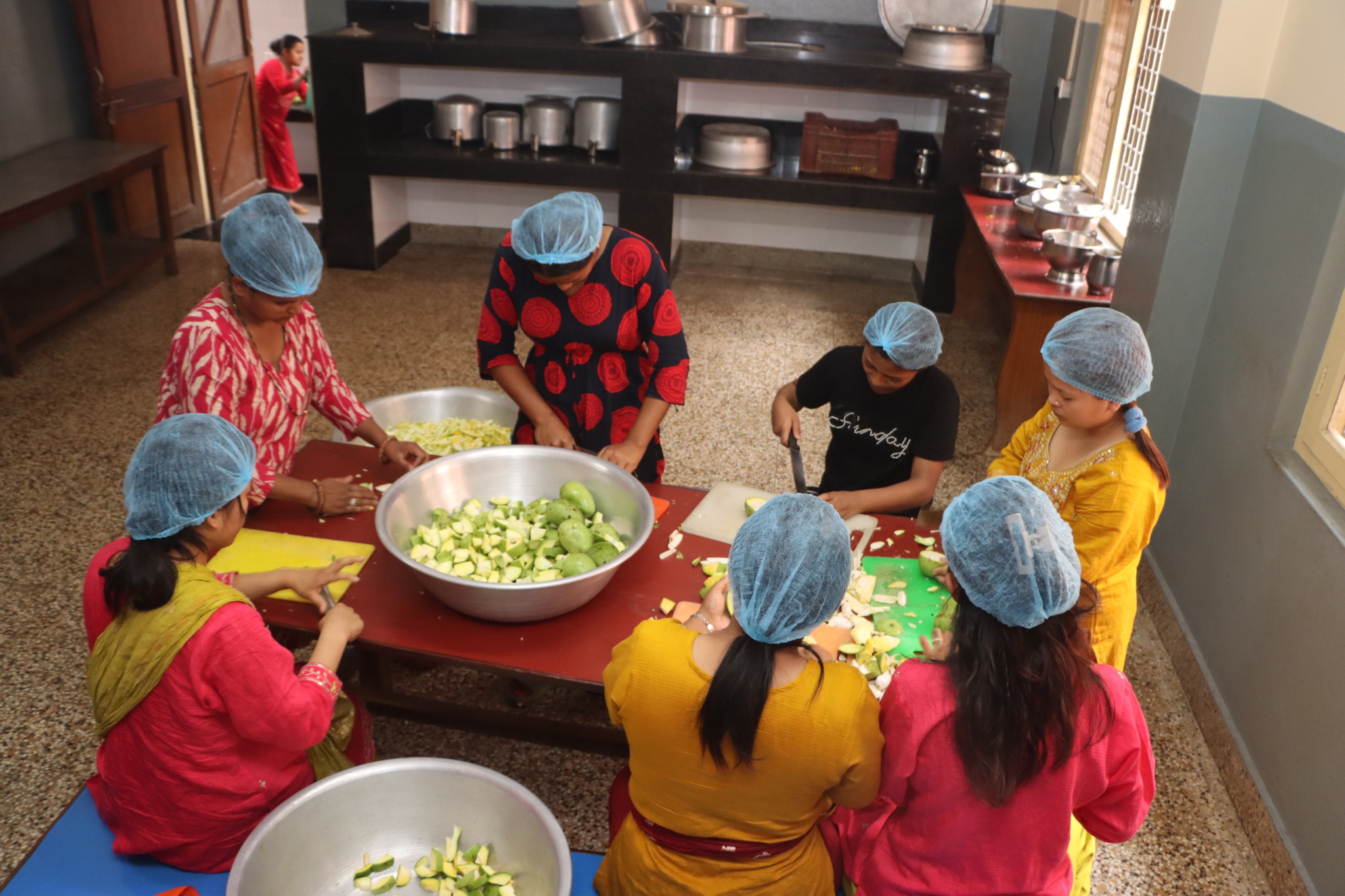
However, the return of these women and girls to a socially accepted, mentally stable, and economically independent life is difficult. This is primarily due to two interrelated main problems: the abrupt interruption of the girls’ schooling and the lack of certified qualifications in a recognized profession.
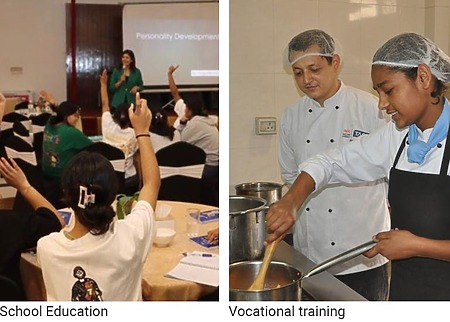
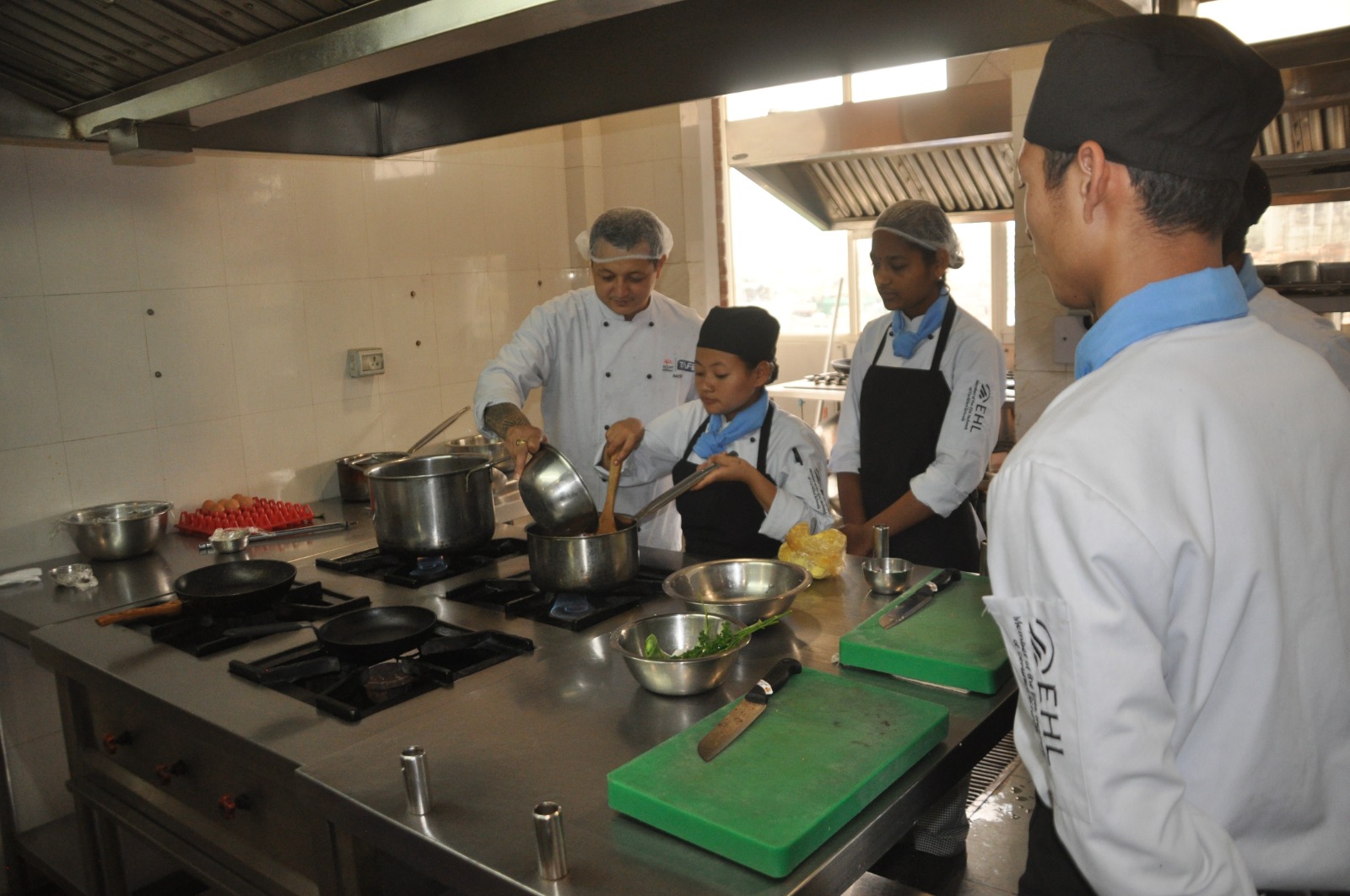
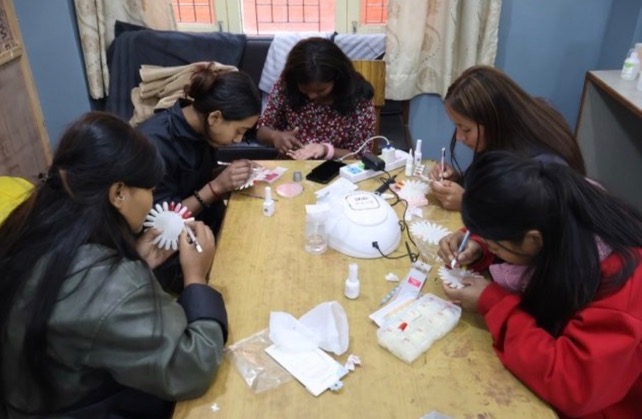
In cooperation with our German partner, BONO Direkthilfe e.V., our project addresses precisely these two problems: over the course of three years, a total of 30 girls will have the opportunity to complete their interrupted education or earn a certified vocational qualification in the hotel and restaurant industry—as a barista, baker, waitress, or cook.
To this end, Maiti Nepal collaborates, for example, with GATE College in Kathmandu, one of Nepal’s leading hospitality schools.
Target Group
The project is aimed at 30 girls and women in Nepal who have been rescued from trafficking or are at particularly high risk of suffering such a fate.
Measures
The Dr. Birk Foundation provides funding for
- Assessments to identify the girls’ skills and interests
- Enrollment of the girls in school and support until they graduate
- Certified vocational training in the hotel and restaurant industry
- Coverage of training costs such as tuition and exam fees
- Provision of learning materials, school uniforms, and tools for training
- Counseling and support during the transition to regular employment
- Job placement or assistance with the transition to self-employment
Duration
2027 – 2029
Our project partners
BONO Direkthilfe e.V., Bergisch Gladbach, Germany
Maiti Nepal, Kathmandu, Nepal
Weitere Projekte
-
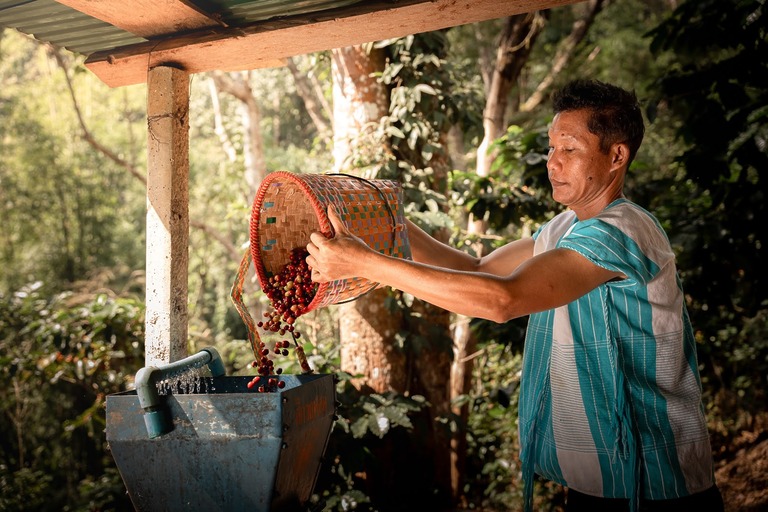
Value creation in coffee cultivation
Doi Saket, Thailand 2025 - 2029
Development and establishment of a comprehensive regional coffee production chain with modern facilities.Read more -
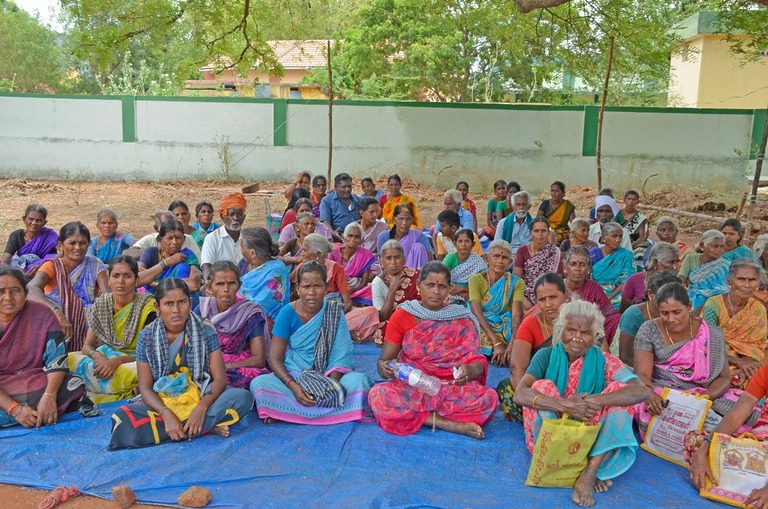
Training on demonstration fields
Tamil Nadu, Indien 2025 – 2026
At two training centers in Tamil Nadu, 900 people are receiving practical training in agriculture and marketing—an opportunity for better incomes and sustainable future prospects.Read more -
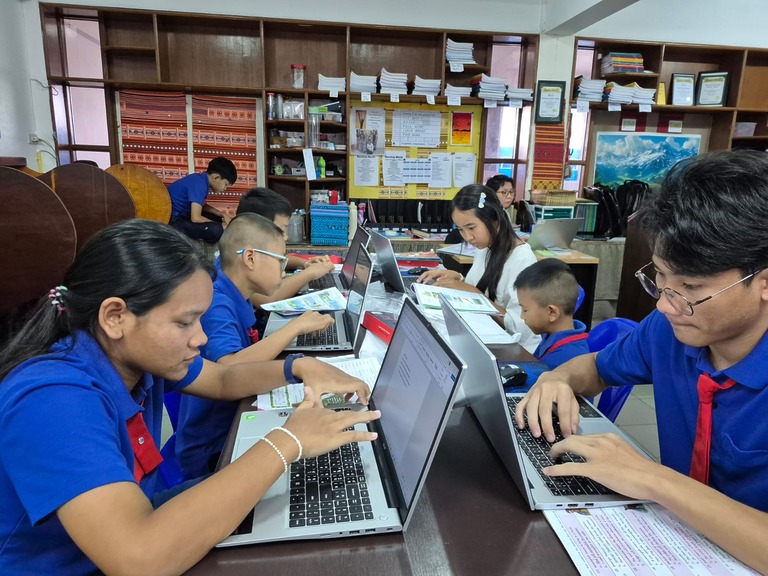
Computer learning center
Fang, Thailand 2025
New prospects for children from the Thailand/Myanmar border regions through modern learning tools: computers and online courses.Read more -
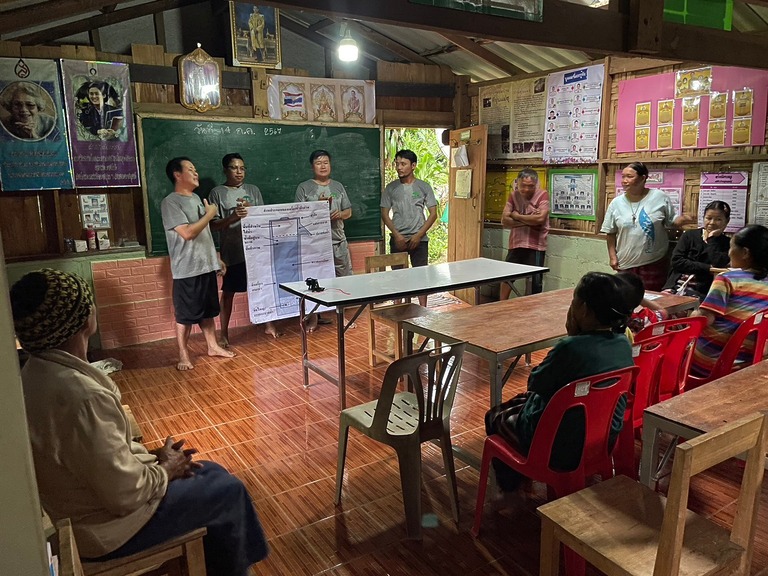
Team training at the children's home
Chiang Mai, Thailand 2025
This training project involves developing a practical training concept that specifically addresses the everyday work requirements of employees at the Raintree Foundation's children's homes.Read more -
Education at the monastery school
Pharping, Nepal 2025 - 2027
Ensuring continuity of teaching and quality of education through qualified teachers for grades 4 to 8.Read more -
Rescue from coercion and trafficking
Mumbai, India 2026 - 2028
Funding of mobile teams in India which free and rescue minor girls from human trafficking and forced prostitution, funding of vocational training for the rescued girls and retransfer to their familiesRead more -
Learning Centers for Preschoolers
West Bengal, India 2026–2029
70 children between 2 and 7 years old from poor living and sanitation areas in West Bengal, India, are cared for and prepared for school in 2 learning centers.Read more -
Thangkas: Art and Empowerment
Kathmandu, Nepal 2027 - 2032
7 persons disabeled by paraplegia undergo a 6-years vocational training as Thangka-painter which empowers them to lead economically an independent lifeRead more -
Obstetric Fistulas: Prevention and Care
Bajura, Nepal 2027–2029
Outreach program in western Nepal focused on education, training, and care for women affected by obstetric fistulas and their stigmatizing and life-limiting consequences.Read more