Bajura, Nepal 2027–2029

Obstetric Fistulas: Prevention and Care

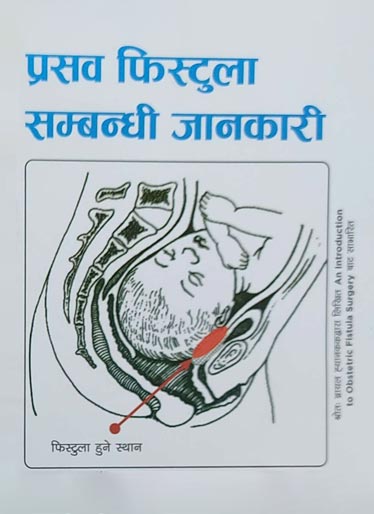
Obstetric fistulas are now rare in Western countries with good medical infrastructure; however, they are all the more common in developing regions with inadequate healthcare, where emergency C-sections are not available in time and preventive education is lacking. During unassisted births, especially when the baby is stuck in the birth canal for a long time, the intense pressure interrupts blood flow to the maternal tissue, causing it to die, detaches, and leaves behind a fistula—that is, an abnormal passage between the vagina and the bladder or rectum. Urine or feces can then leak uncontrollably from the vagina. Fistulas almost never heal on their own, and those affected suffer from chronic urinary and/or fecal incontinence. Furthermore, according to UN data, approximately 90 percent of women with a fistula lose their baby. Particularly affected are very young, often malnourished mothers, whose pelvises have not yet fully developed.

The affected women suffer greatly: not only from the health consequences, but also from social isolation—often triggered by the constant odor accompanying the condition—from rejection by their families or husbands, and from stigmatization and exclusion from the labor market. But obstetric fistulas are not an incurable fate. They can usually be permanently closed through microsurgical procedures and can be successfully prevented.

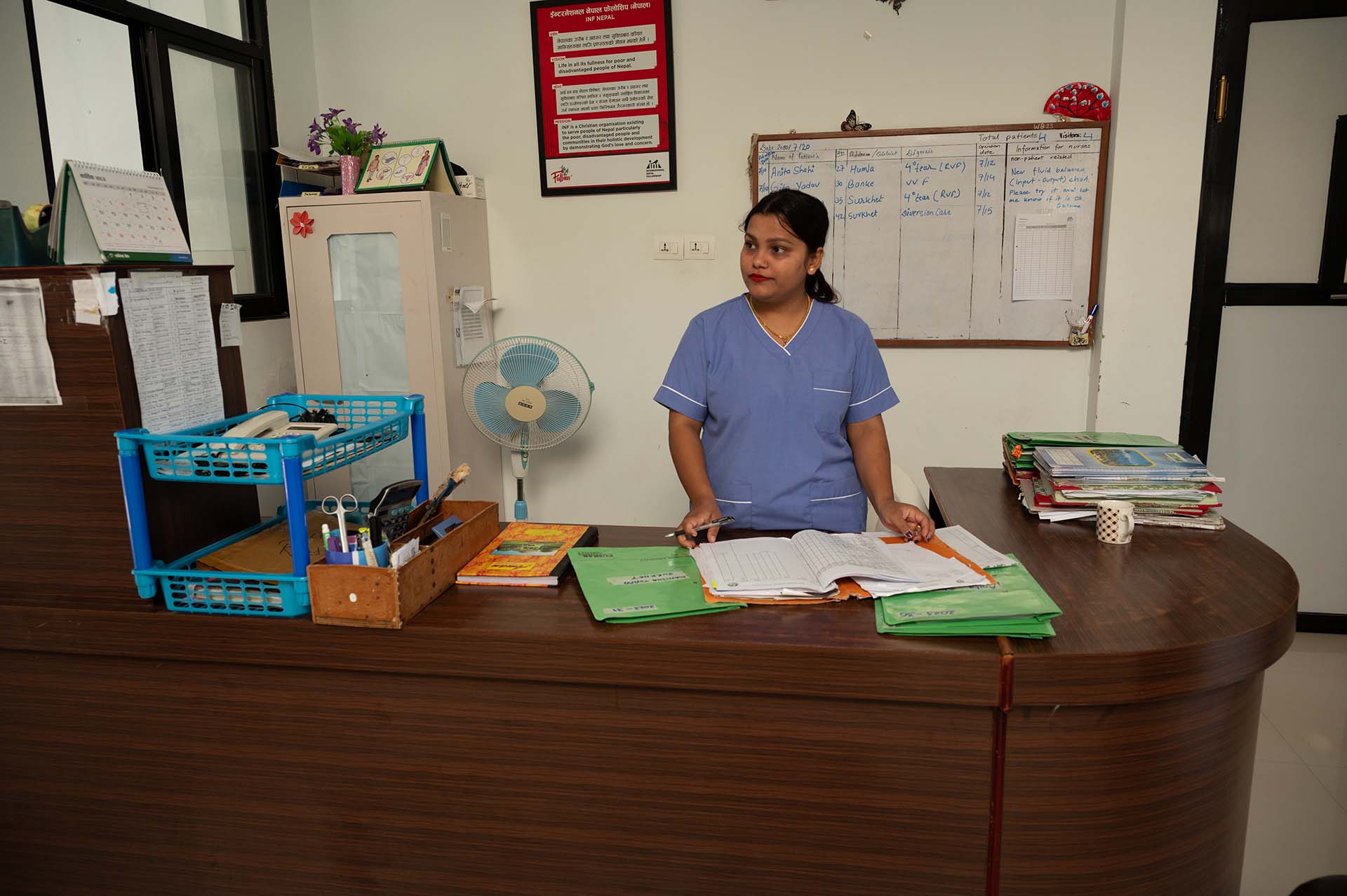
Our local project partner in Nepal, the International Nepal Fellowship (INF), is one of the oldest nongovernmental organizations in Nepal, with decades of experience working with medically underserved people and communities. Years ago, the INF established a fistula clinic where this condition can be successfully treated surgically. This clinic has since been transferred to state ownership, and the INF can now increasingly focus on outreach and training, as well as on strengthening referral pathways.

Our project, which we are carrying out with our German project partner, TERRA Projekte International e.V., is designed as an outreach program for one of the country’s most structurally disadvantaged regions in the country. The Bajura district lies far to the west of Nepal; medical transportation costs, school dropout rates, early marriage, and teenage pregnancies are alarmingly high here; obstetric fistulas are correspondingly widespread. At the heart of our efforts is empowering those affected and key players in the local health system to prevent obstetric fistulas, at an early stage, and to refer affected women to facilities where they can receive professional surgical care, be permanently freed from this life-limiting condition and the associated mental distress and social stigma.

TARGET GROUP

The project is aimed at primary care health workers, female community health workers (FCHVs), and specialized INF staff working in obstetrics; at the community level, it targets mothers’ groups, self-help groups, and other community groups, as well as women affected by obstetric fistula.

Community Education

Community Education

Training hospital staff

Training hospital staff

Inpatient Care

Inpatient Care

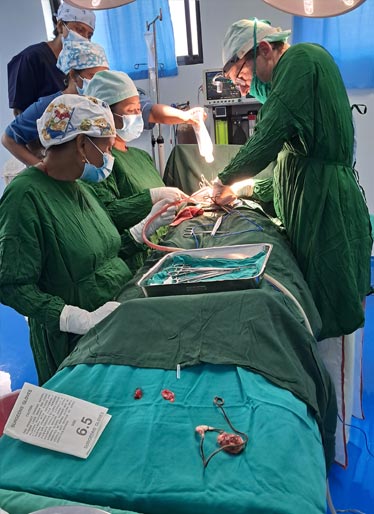
Microsurgery

Microsurgery

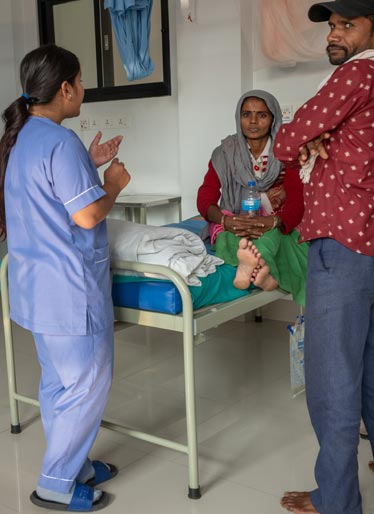
Individual Counseling

Individual Counseling

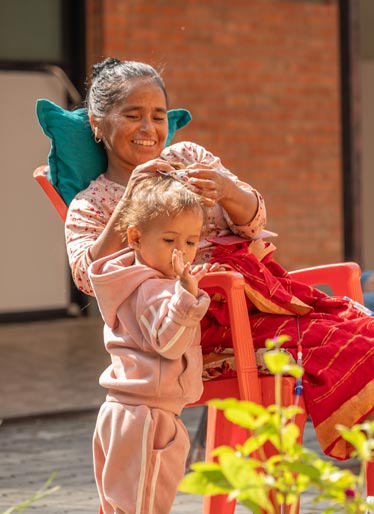
Family Support

Family Support

MEASURES

The Dr. Birk Foundation provides funding for

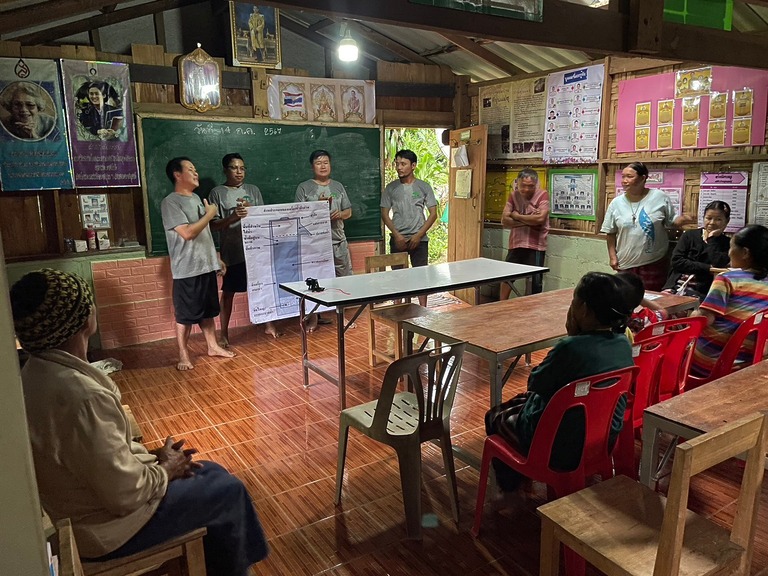
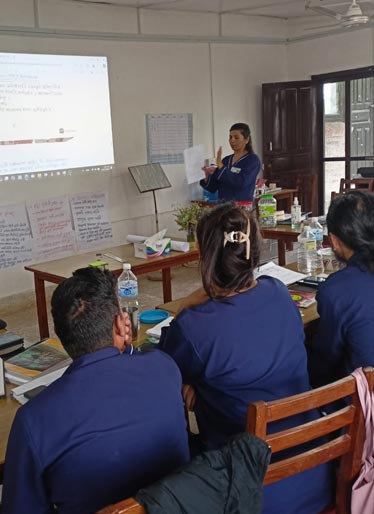
  • Orientation sessions to deepen professional knowledge and improve referral processes
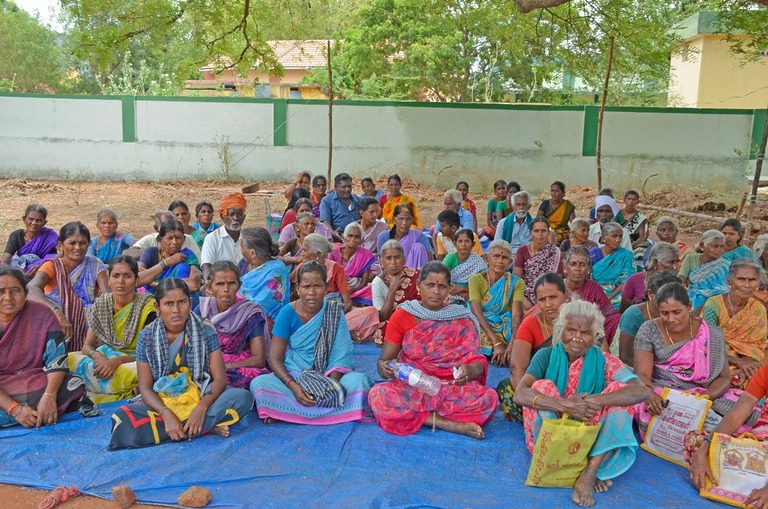
  • Awareness-raising sessions in communities throughout the Bajura District
  • Identifying and educating affected women and girls
  • Continuing education for midwives
  • Optimizing and strengthening referral pathways and access to treatment
  • Prevention through the promotion of skilled birth attendance

PROJECT DURATION

2027 - 2029

OUR PROJECT PARTNERS

TERRA Projekte International e.V., Marburg, Germany

International Nepal Fellowship (INF), Pokhara, Nepal

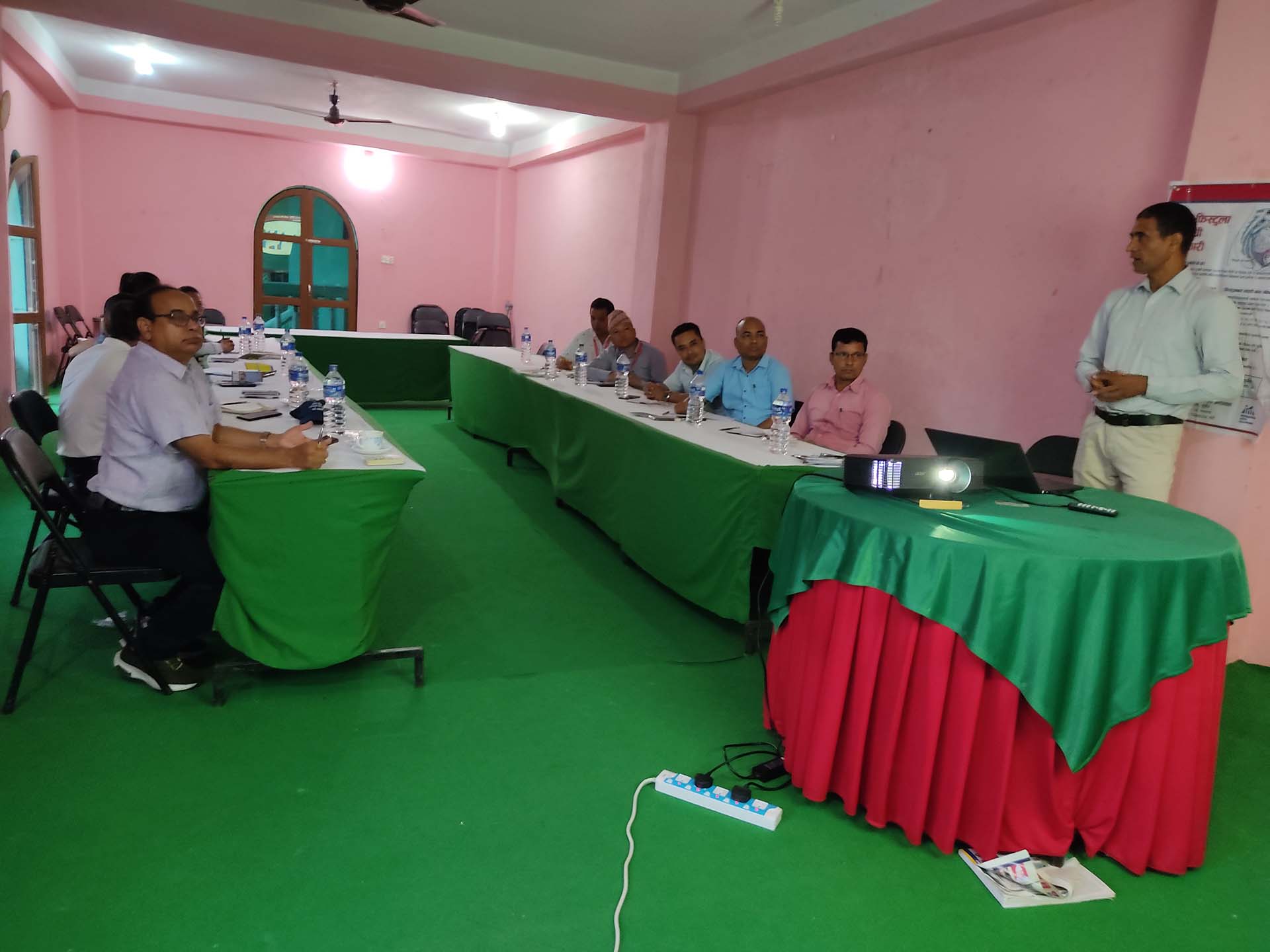
  • Province level fisutla orientation in Lumbini Province
  • Behind the scenes
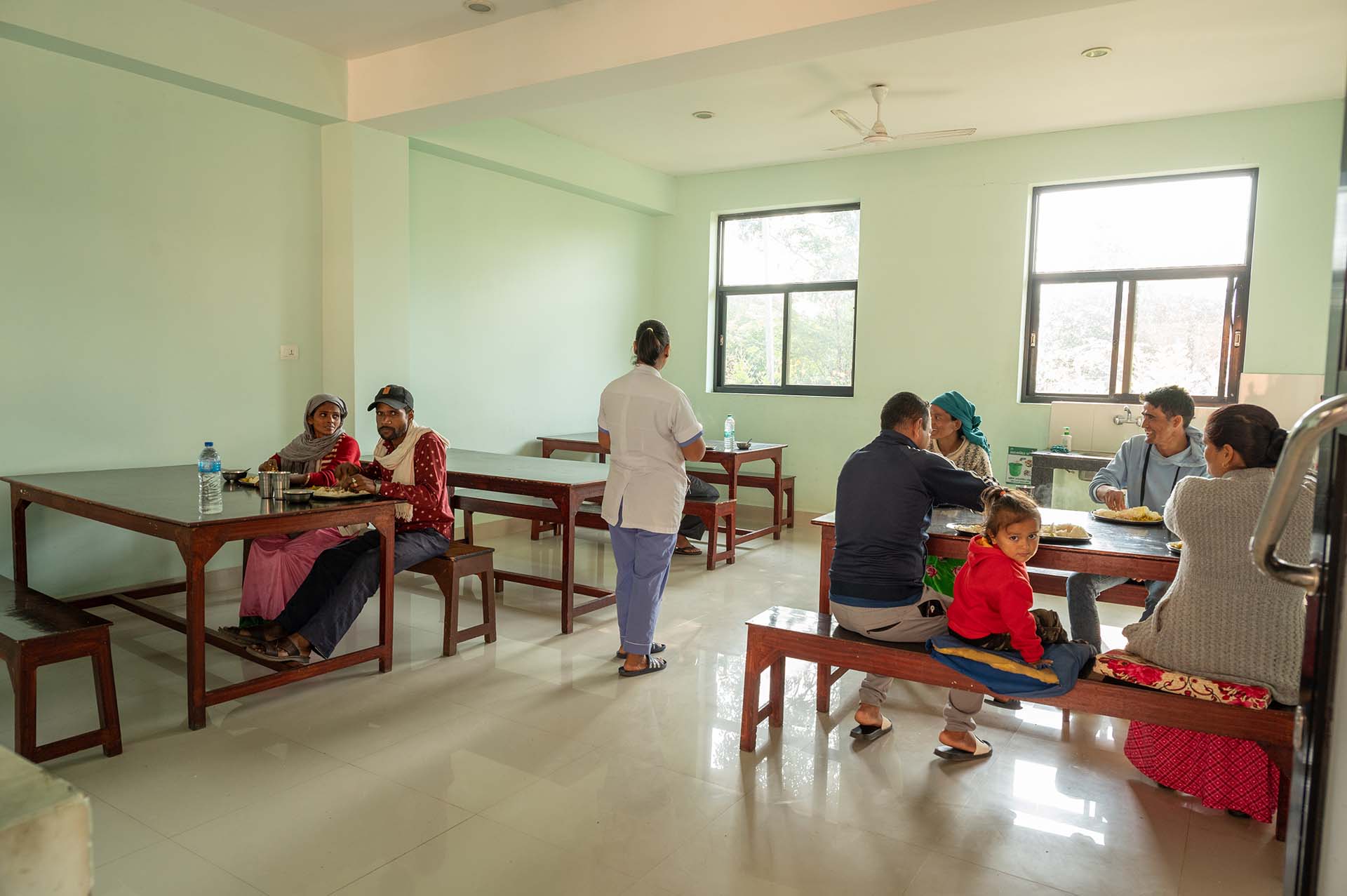
  • Speisesaal
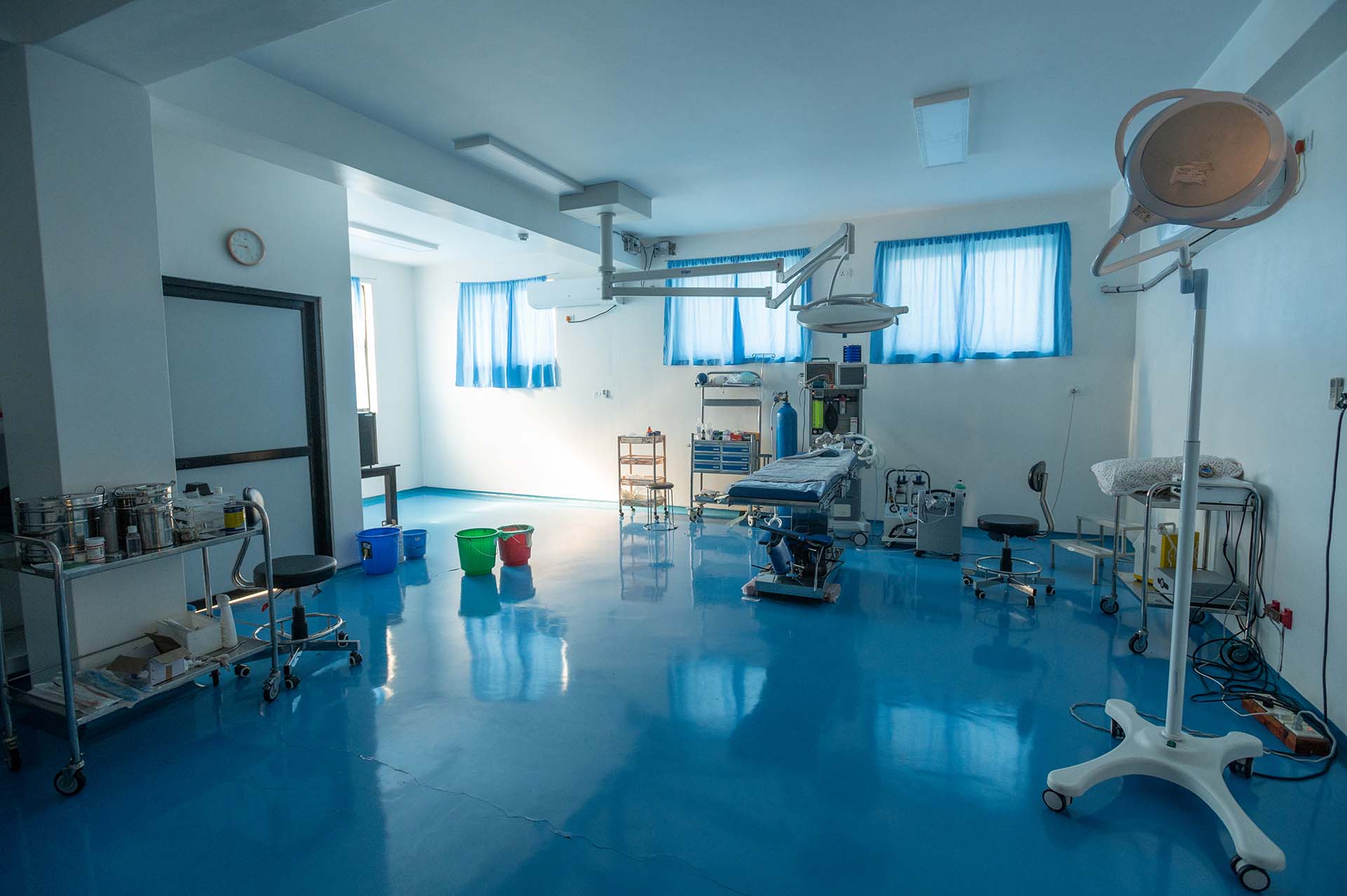
  • Operationssaal
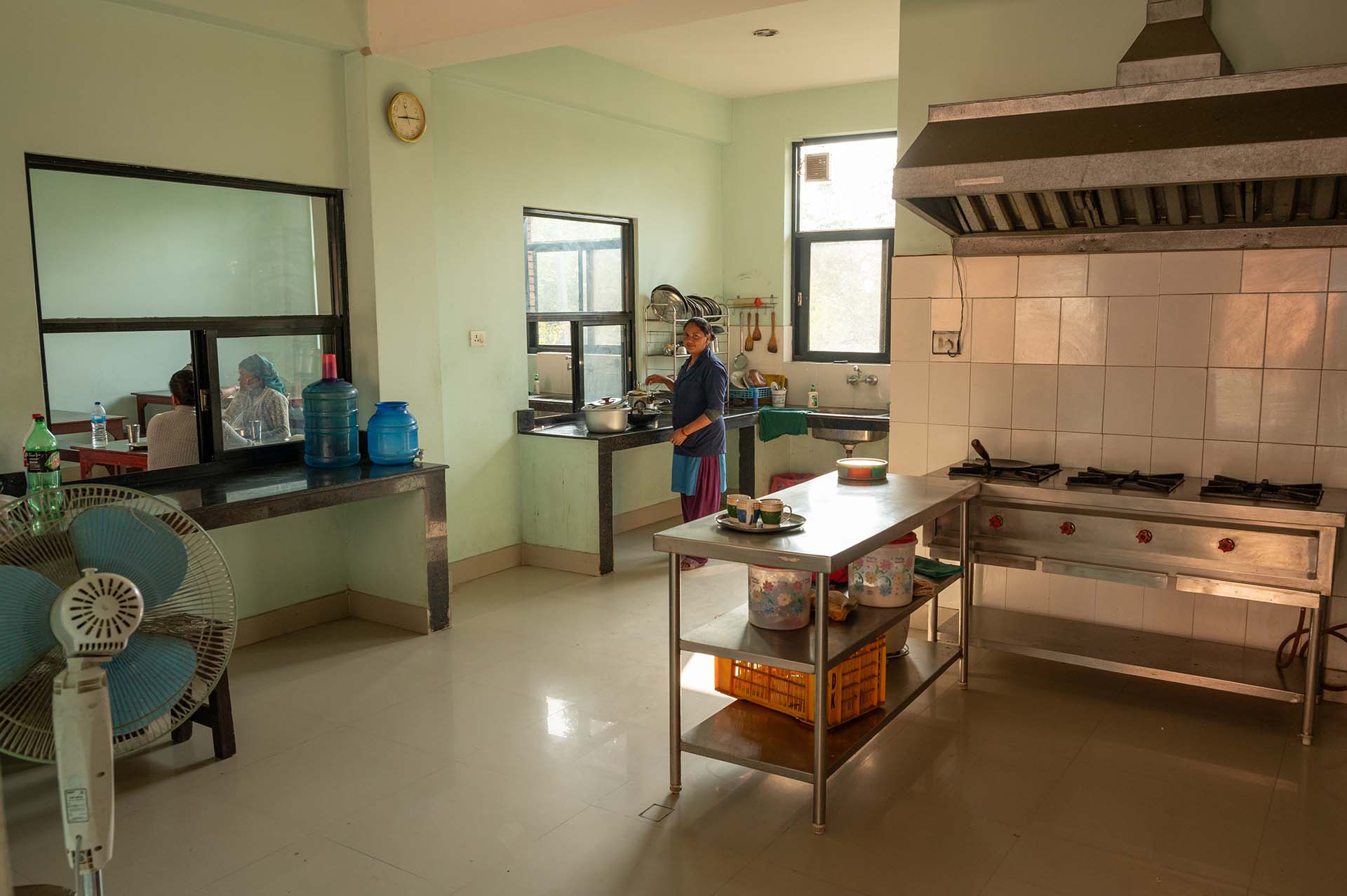
  • Küche
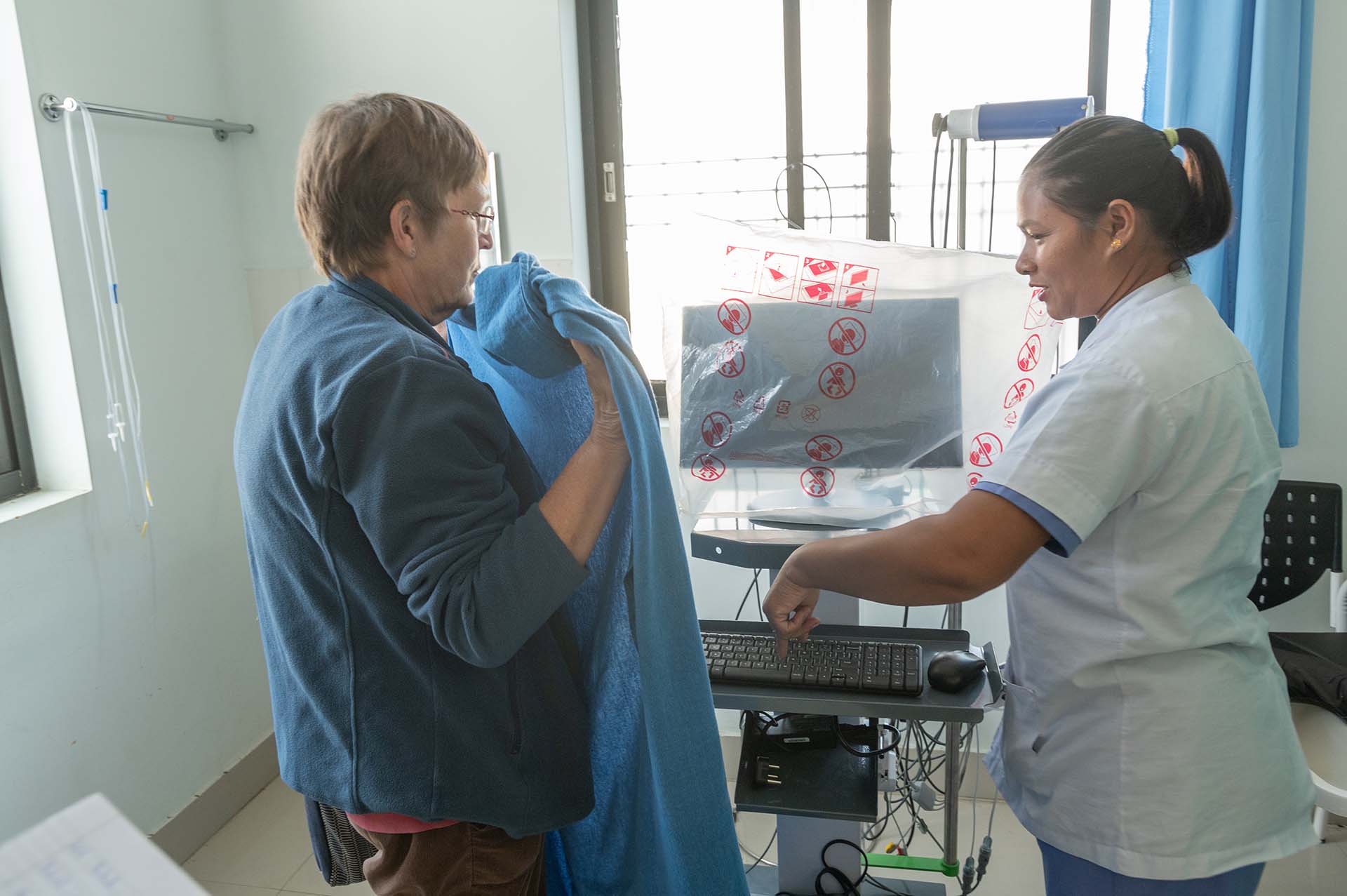
  • Empfang

    Weitere Projekte