

-

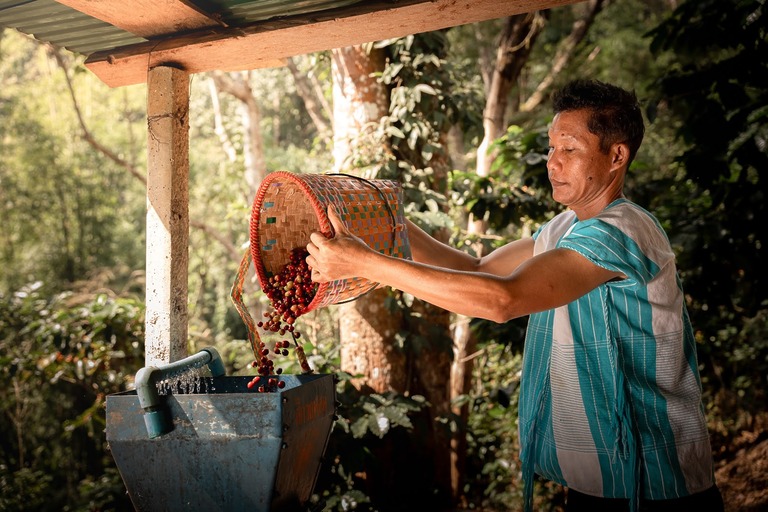
Value creation in coffee cultivation
Doi Saket, Thailand 2025 - 2029
Development and establishment of a comprehensive regional coffee production chain with modern facilities. -

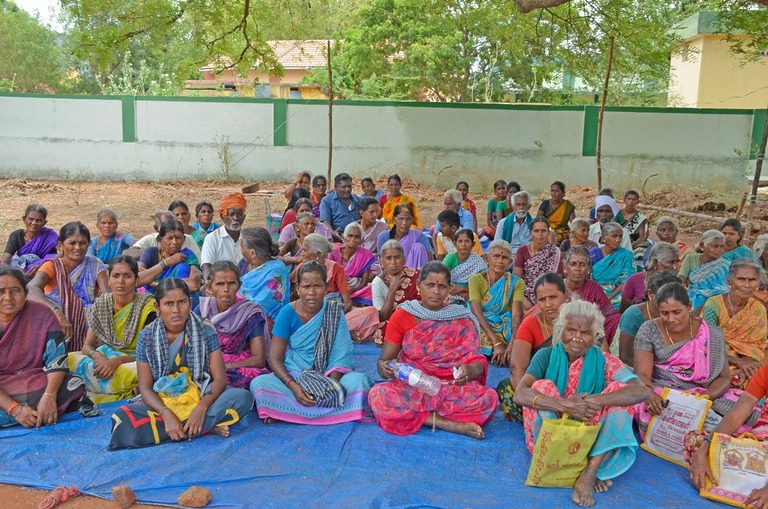
Training on demonstration fields
Tamil Nadu, Indien 2025 – 2026
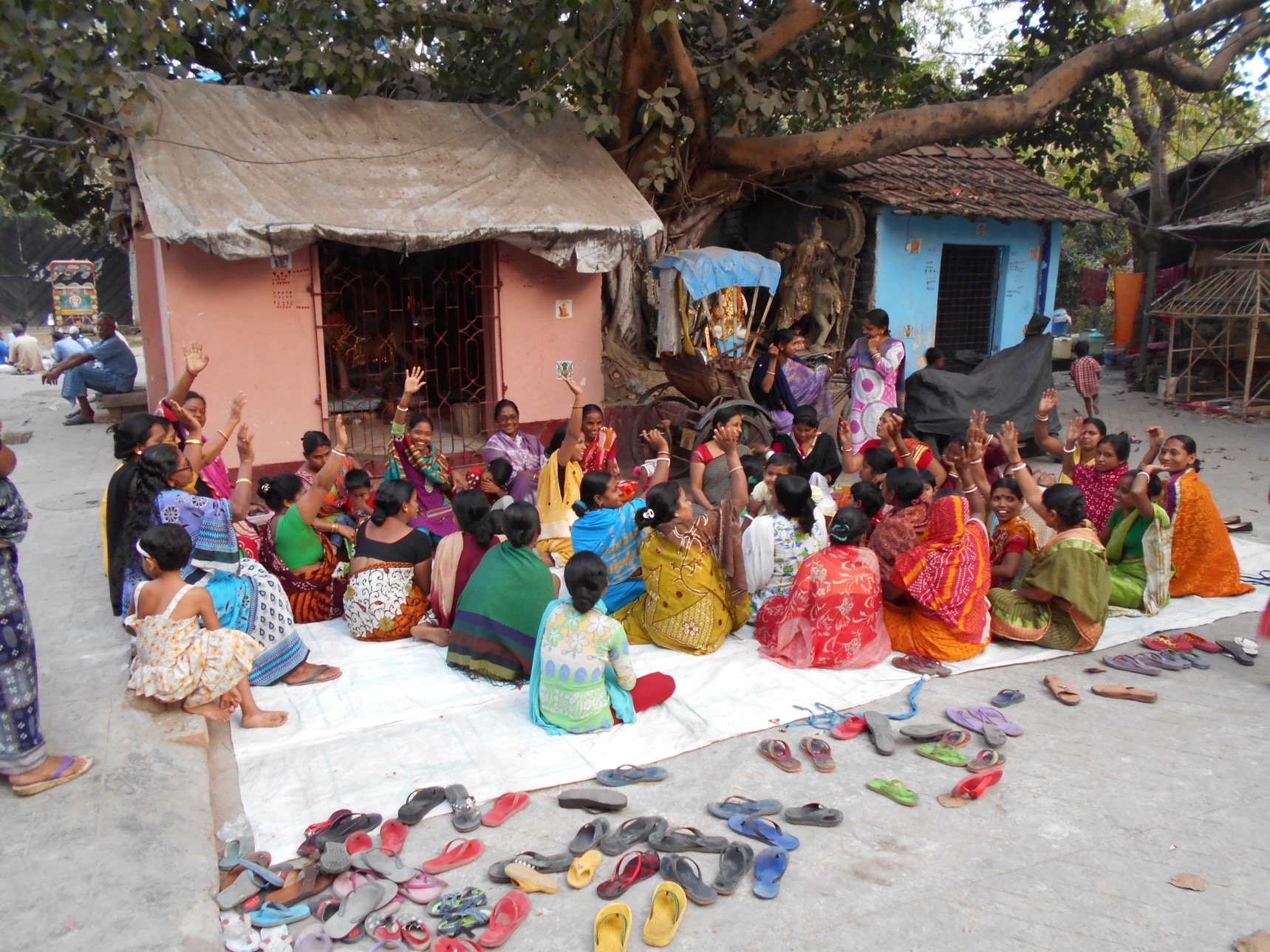
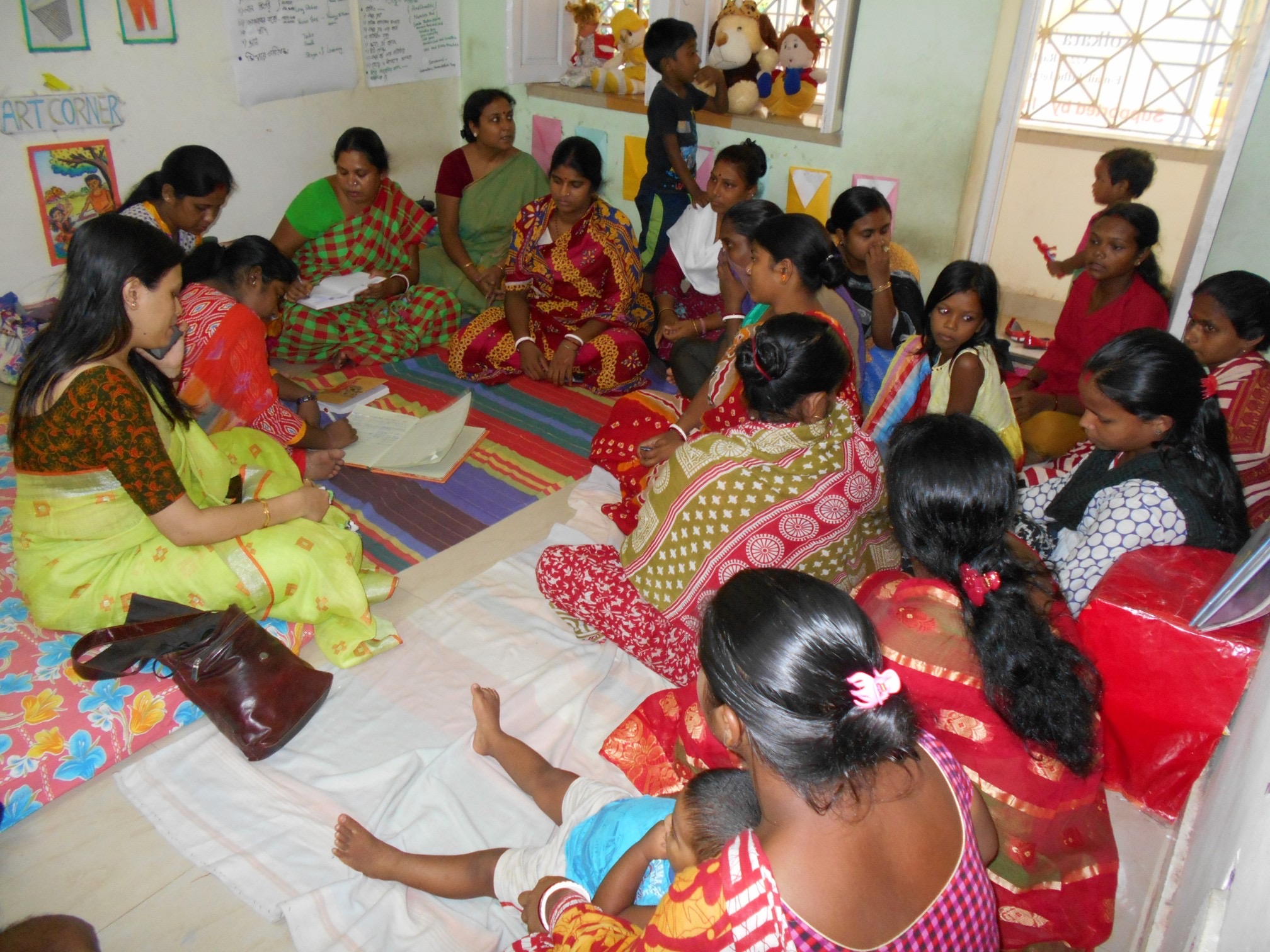
At two training centers in Tamil Nadu, 900 people are receiving practical training in agriculture and marketing—an opportunity for better incomes and sustainable future prospects. -

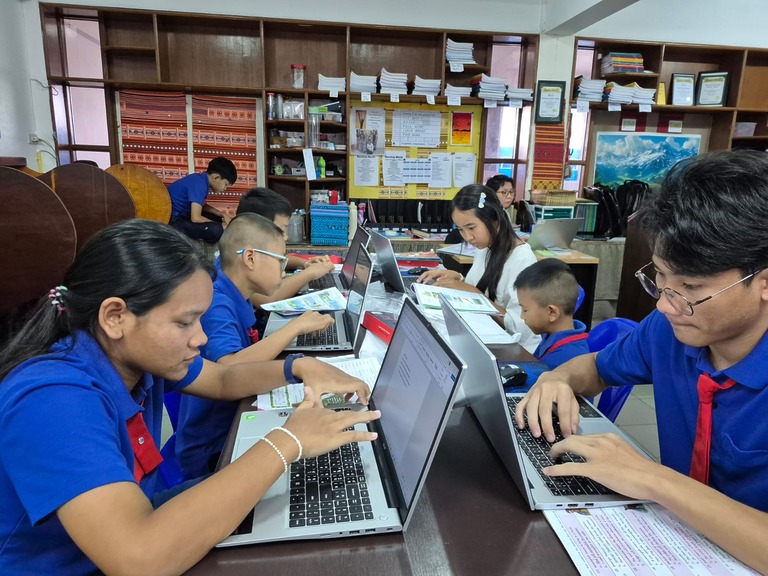
Computer learning center
Fang, Thailand 2025
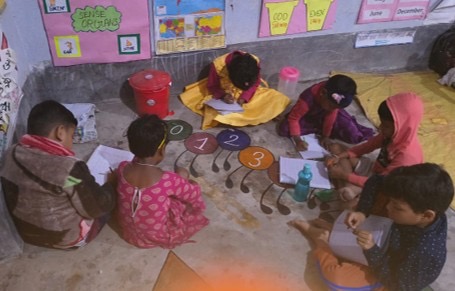
New prospects for children from the Thailand/Myanmar border regions through modern learning tools: computers and online courses. -
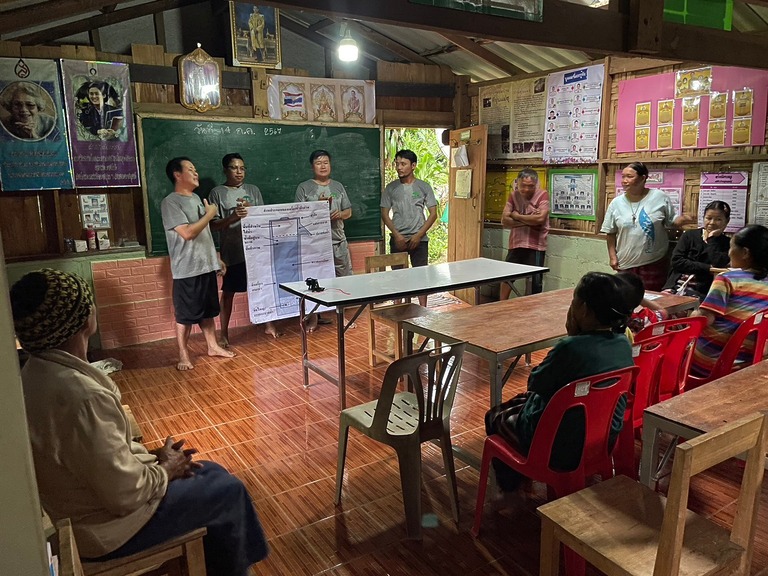
Team training at the children's home
Chiang Mai, Thailand 2025
This training project involves developing a practical training concept that specifically addresses the everyday work requirements of employees at the Raintree Foundation's children's homes. -

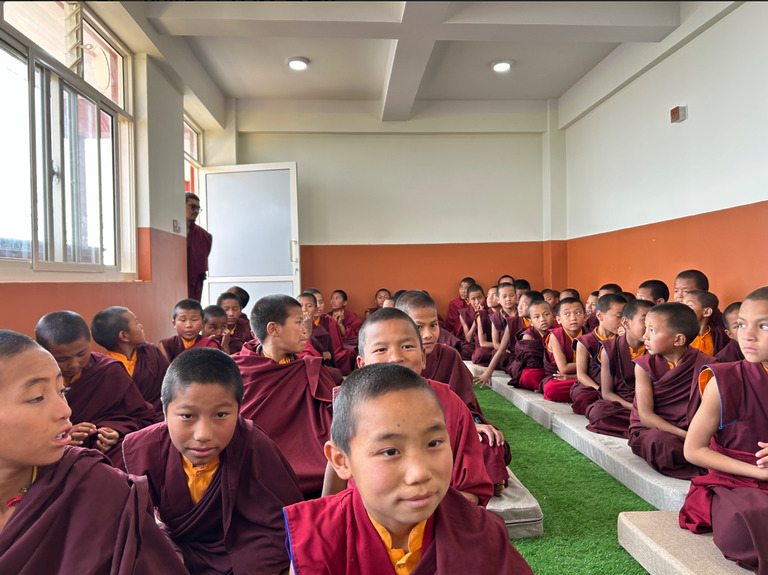
Education at the monastery school
Pharping, Nepal 2025 - 2027
Ensuring continuity of teaching and quality of education through qualified teachers for grades 4 to 8. -

Rescue from coercion and trafficking
Mumbai, India 2026 - 2028
Funding of mobile teams in India which free and rescue minor girls from human trafficking and forced prostitution, funding of vocational training for the rescued girls and retransfer to their families -

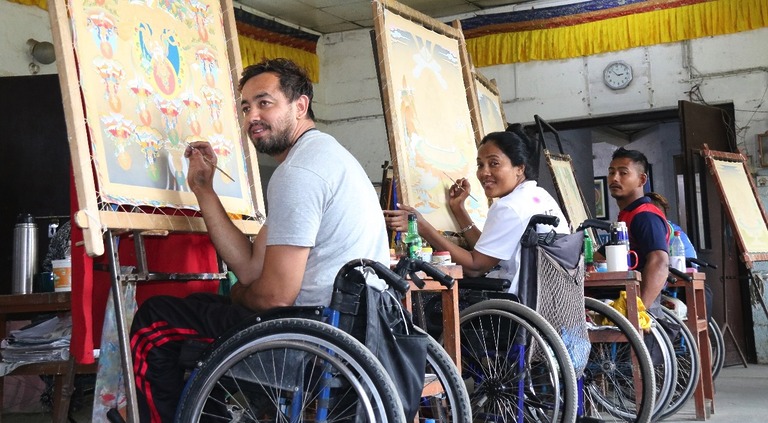
Thangkas: Art and Empowerment
Kathmandu, Nepal 2027 - 2032
7 persons disabeled by paraplegia undergo a 6-years vocational training as Thangka-painter which empowers them to lead economically an independent life -

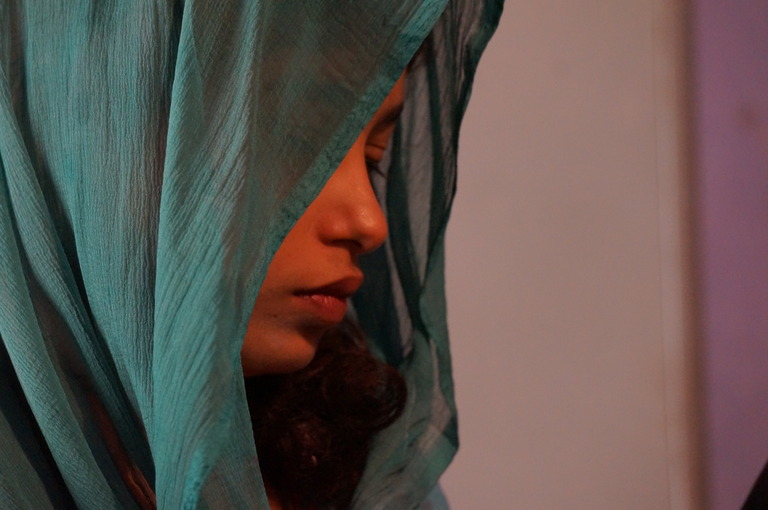
Refuge for trafficked girls
Kathmandu, Nepal 2027 - 2029
30 girls and young women, victims of human trafficking, get support to either graduate in school or get a certified vocational training in the hotel and restaurant industry. -
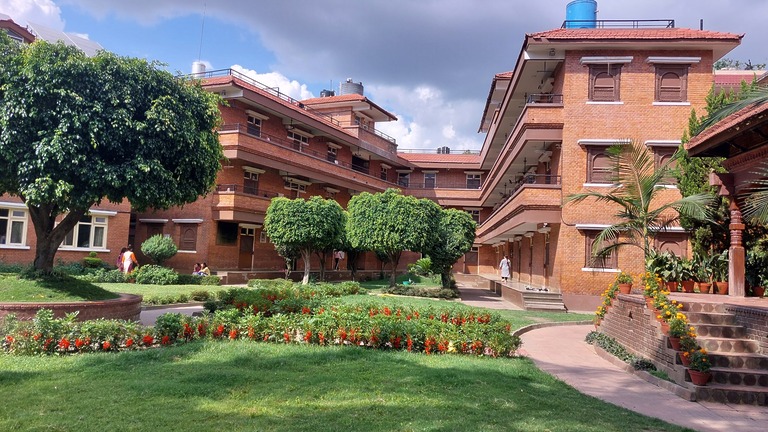
Obstetric Fistulas: Prevention and Care
Bajura, Nepal 2027–2029
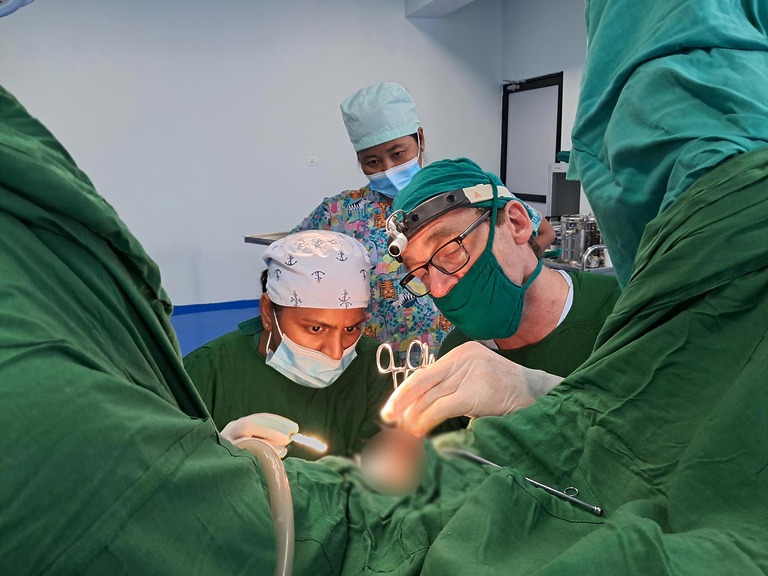
Outreach program in western Nepal focused on education, training, and care for women affected by obstetric fistulas and their stigmatizing and life-limiting consequences.