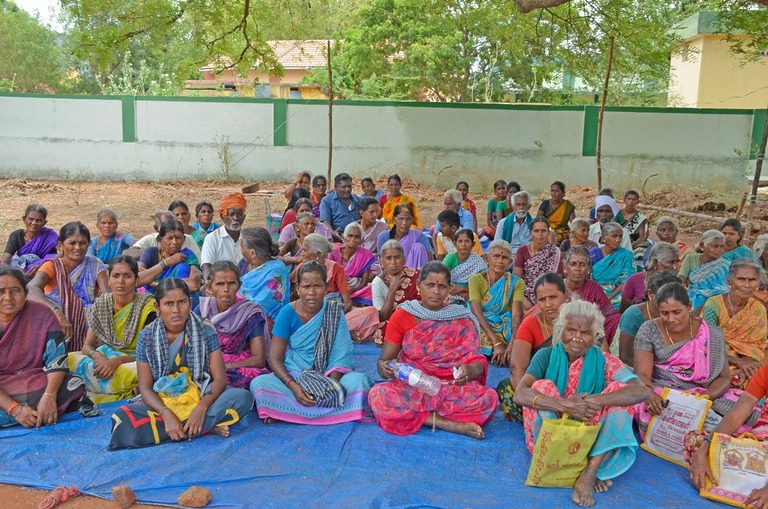
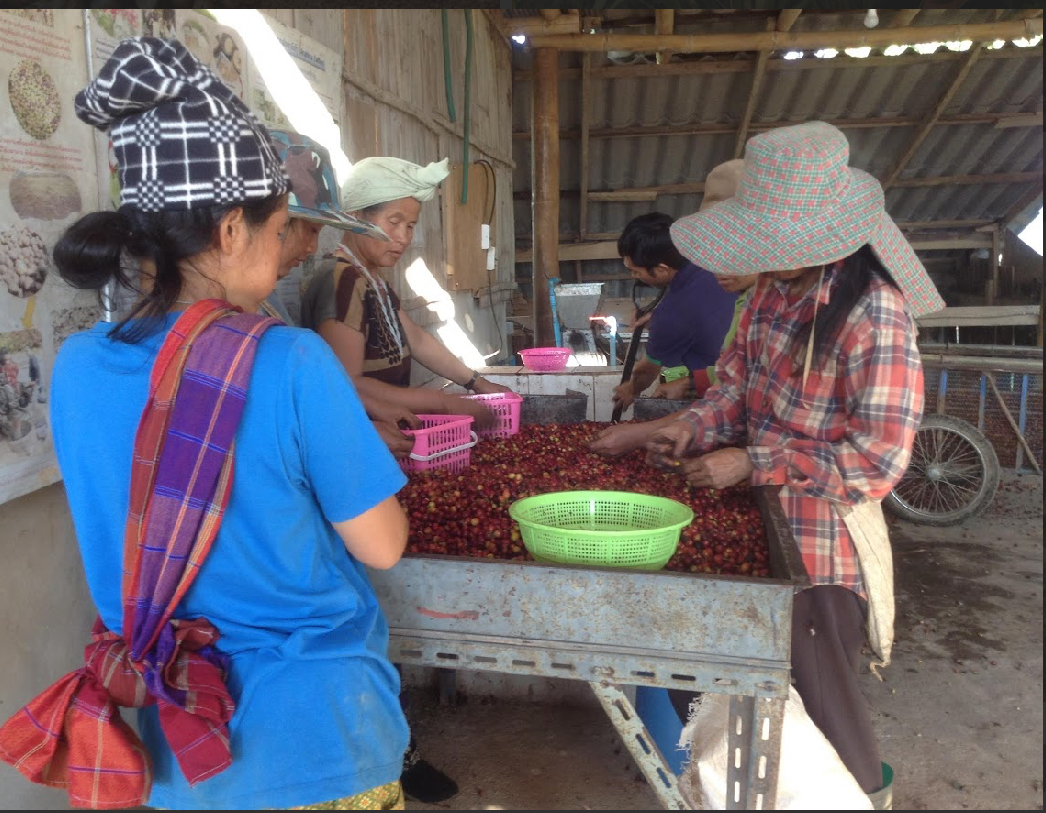
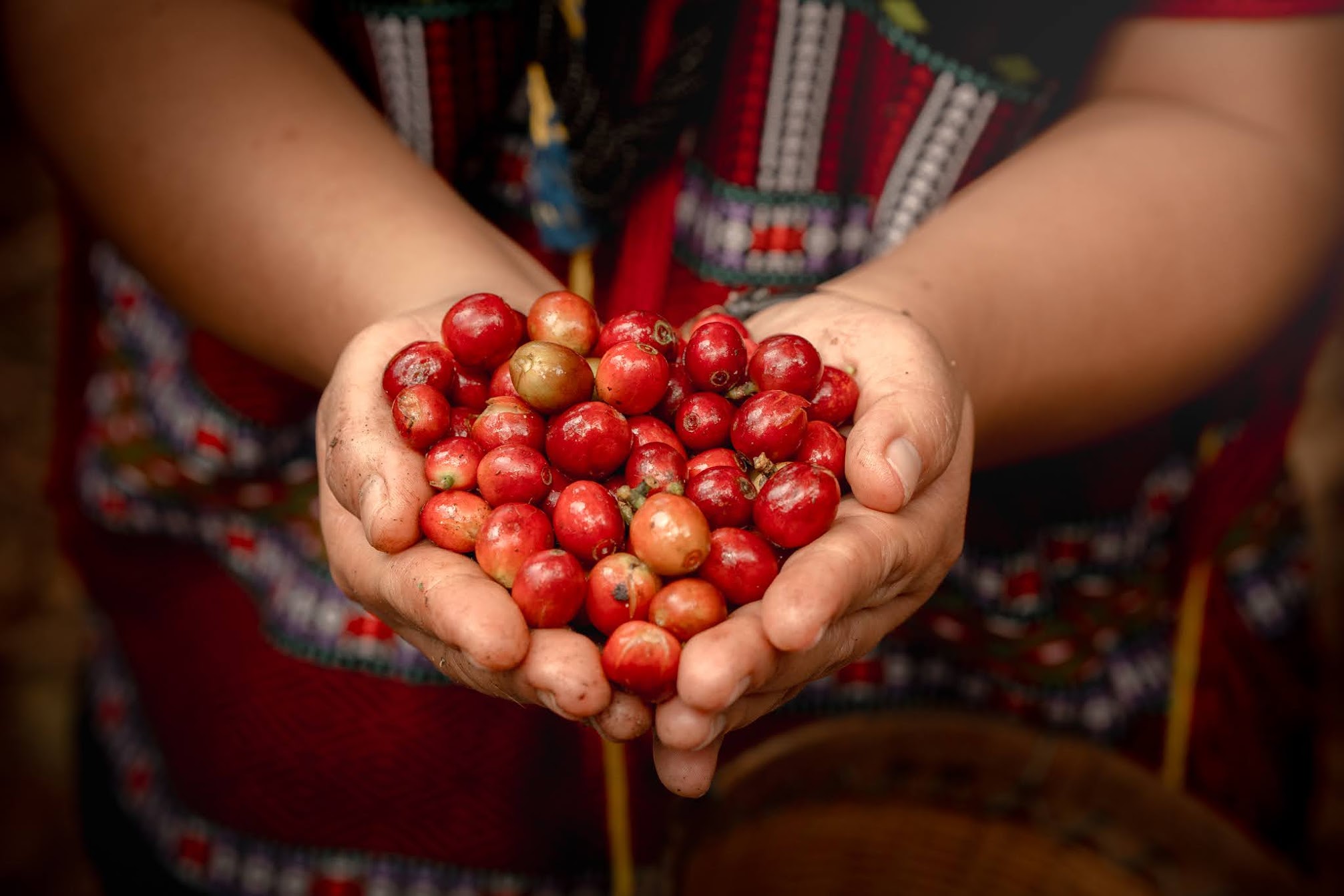

The approximately 400,000 Karen people in Thailand belong to a group of related ethnic minorities and are considered mountain peoples. They live north of Chiang Mai near the border to Myanmar. They are self-sufficient, working as rice farmers, craftsmen, in the timber industry, or in elephant breeding, often at or below the poverty line. Many of the farmers also plant and harvest coffee; the highlands offer good conditions for growing Arabica coffee plants. But they have problems selling their harvest at reasonable prices. The financial thresholds for participating in the value chain in the complex process of processing coffee are high, and the often chronic debt burden forces farmers to sell their harvest quickly below fair market value.
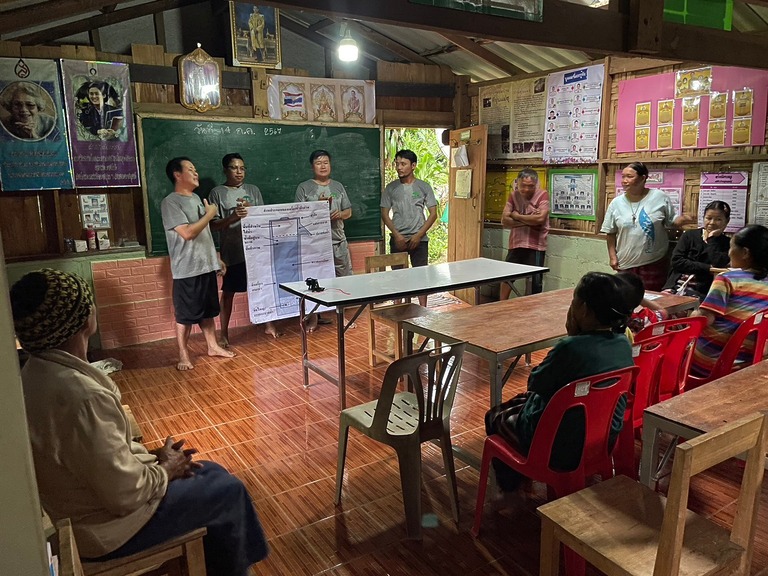
Our local project partner, the Raintree Foundation in Chiang Mai, has been supporting Karen families for years in creating a sustainable market for their coffee harvest. It helps farmers organize themselves into village cooperatives for cultivation, harvesting, and distribution, and coordinates and advises on issues such as seeds, fertilizers, storage, quality control, and marketing.
The aim of the joint project is to develop and establish a comprehensive regional coffee production chain with modern facilities. Our project partner provides premises, personnel, and expertise; we finance machinery, training, and education for the people.
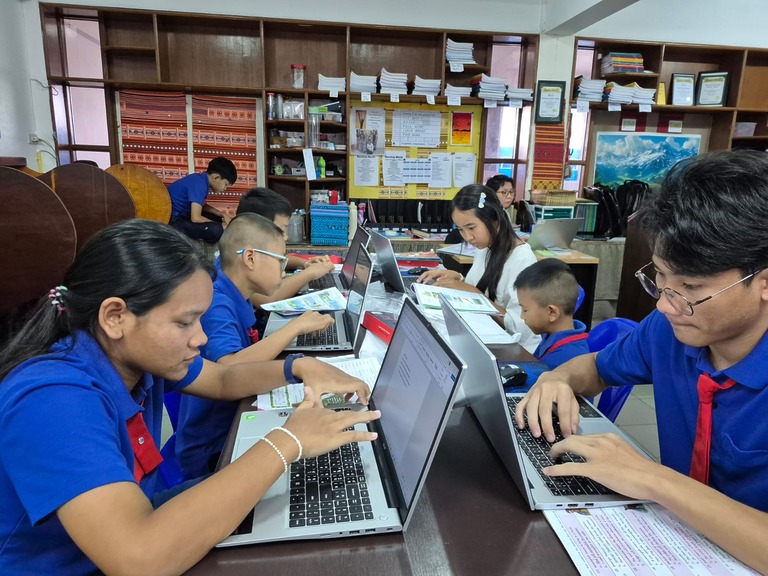
The project secures a reliable source of income for Karen families by purchasing their coffee harvest directly at fair prices and strengthens their economic independence through a variety of practical training courses in sustainable agriculture and business management. Children and young people receive solid, practical training in all areas of the coffee industry along the entire value chain: cultivation, sorting, hulling, storage, roasting, packaging, and distribution.
All proceeds from the project are reinvested in the social programs of the Raintree Foundation. The focus is on several children's homes and sponsorship programs, which now care for around 300 children.
Target group
The project is aimed at families of the Karen hill tribe in northern Thailand, most of whom are self-sufficient and live in precarious income situations, as well as children and young people from the region who can receive practical training in all areas of the coffee industry.
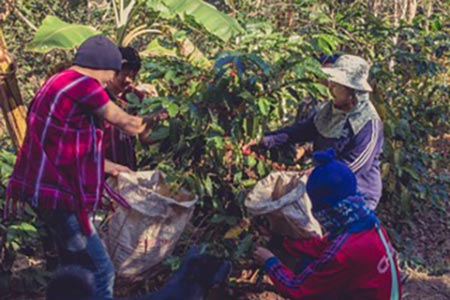
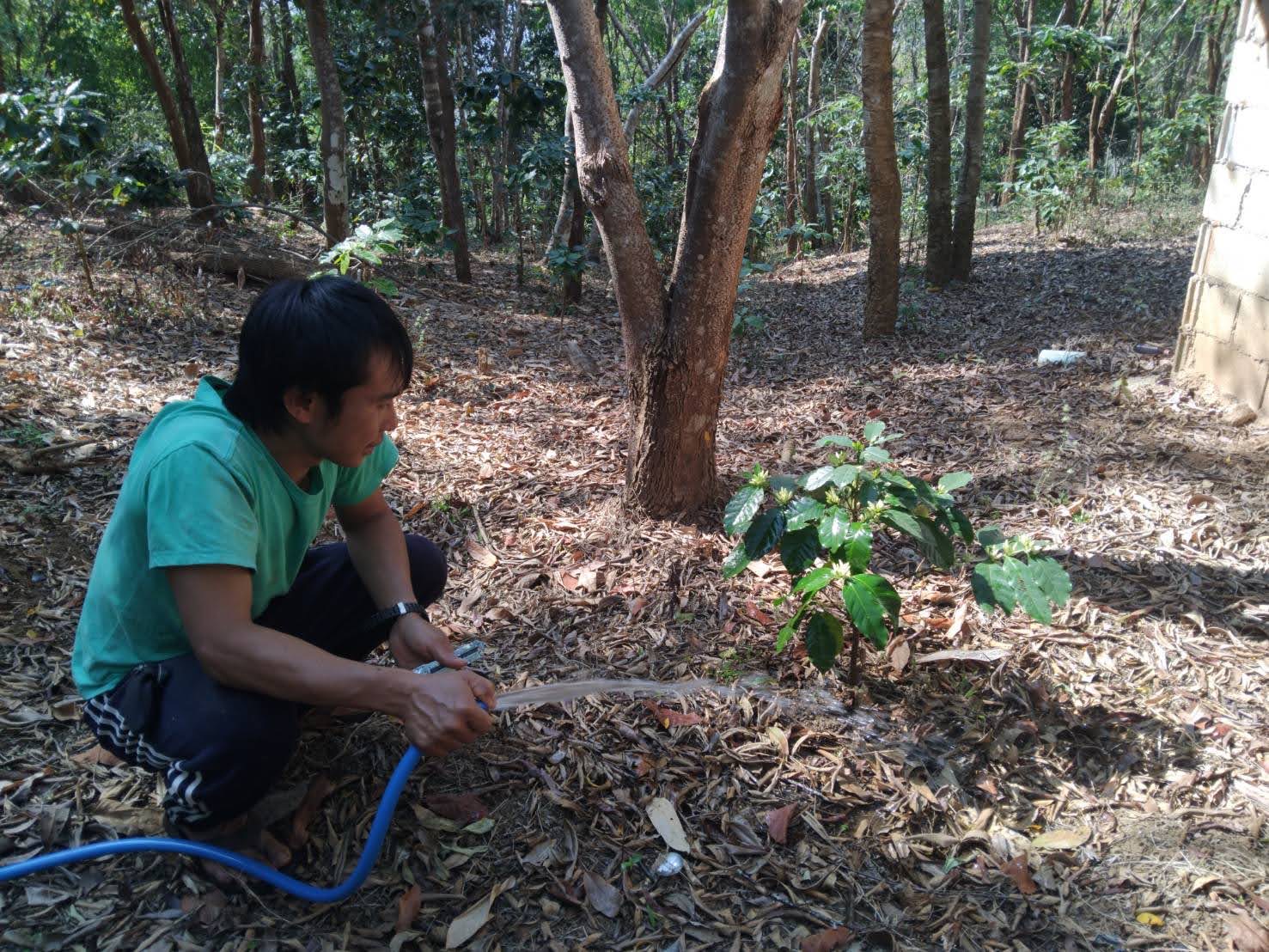
Coffee cultivation in the mountain villages
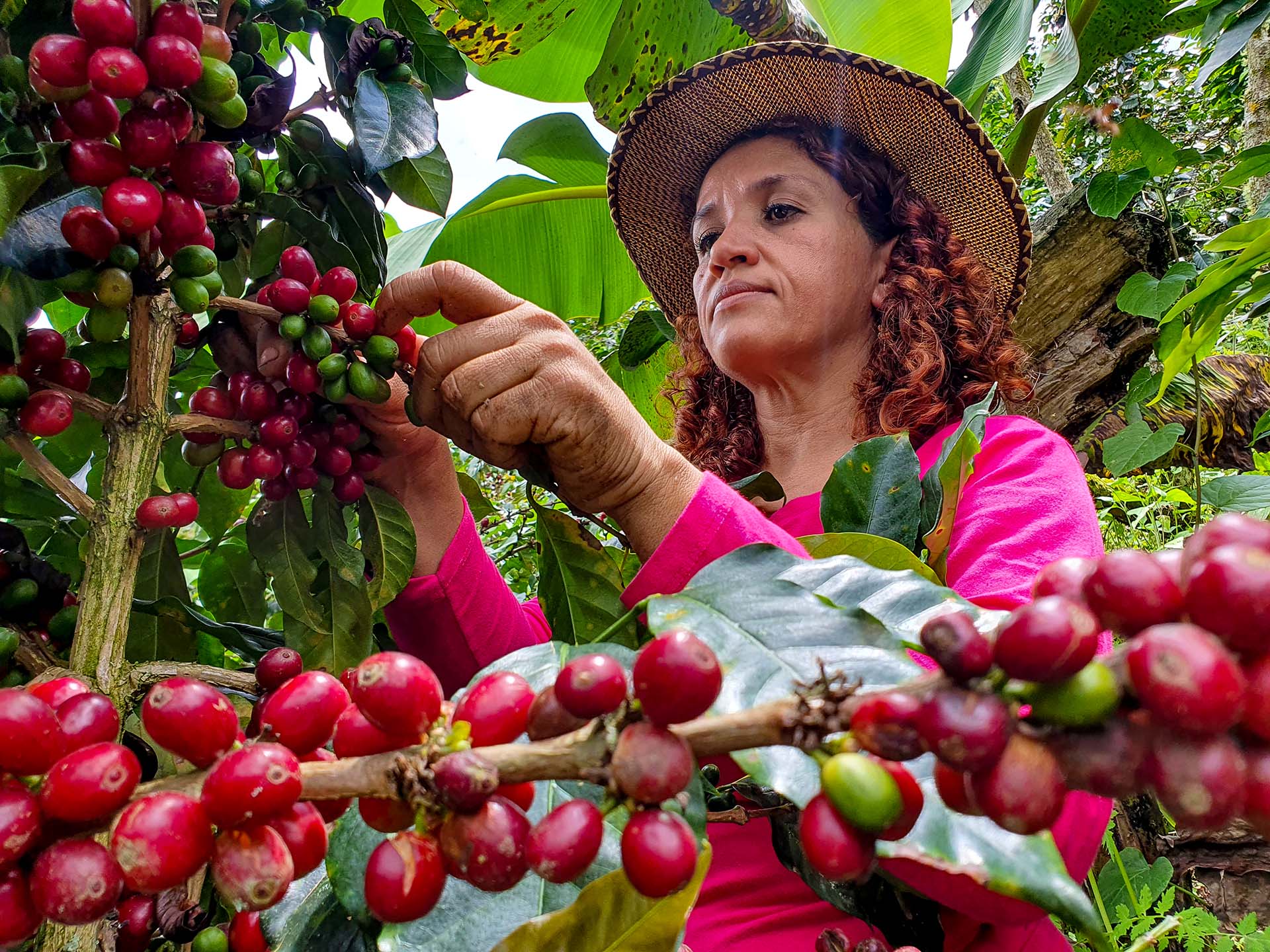
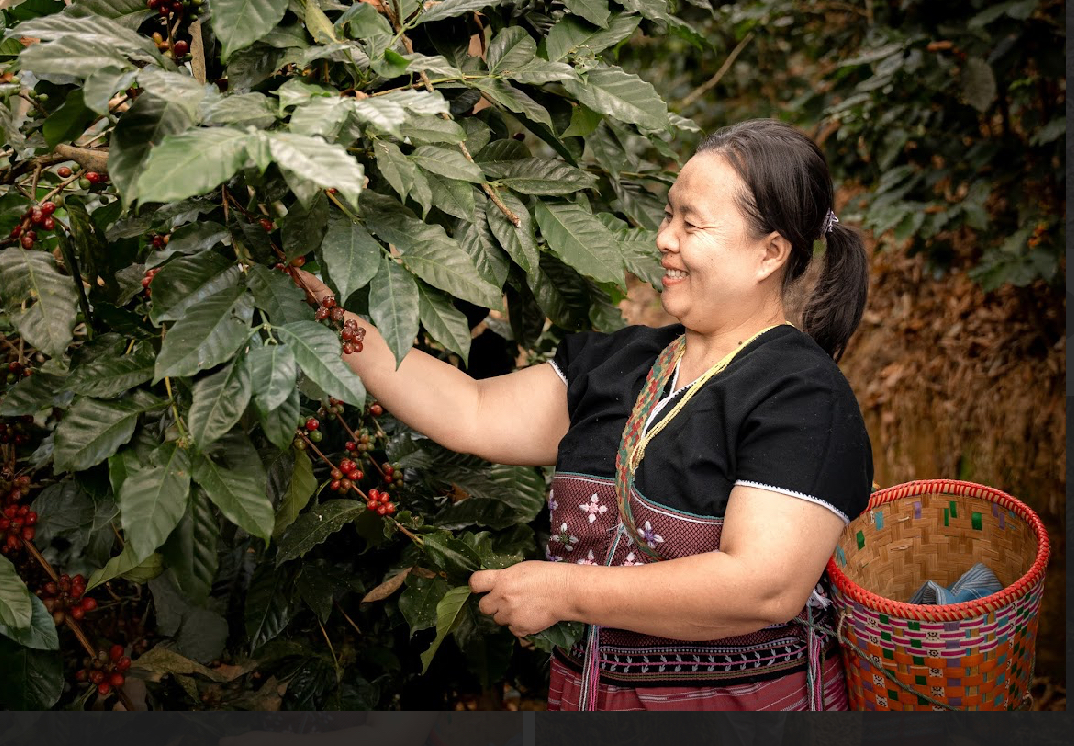
Good climate for Arabica coffee
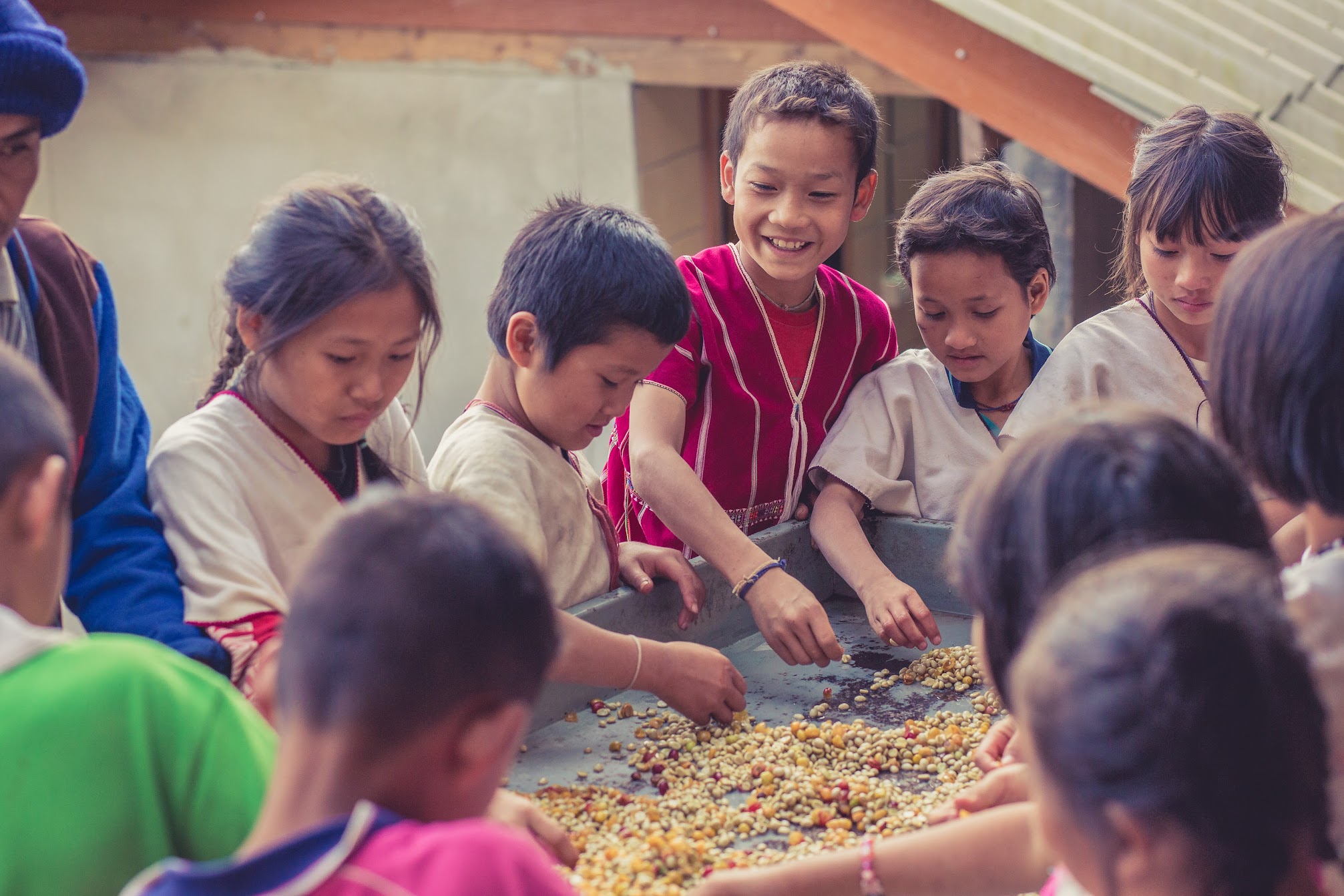
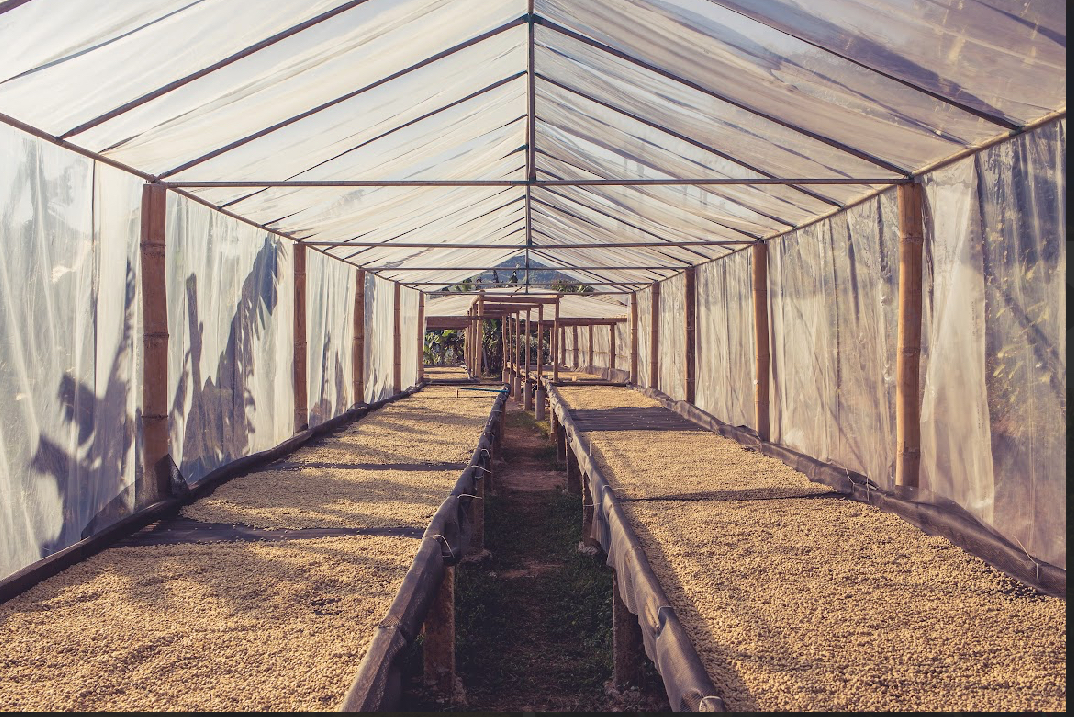
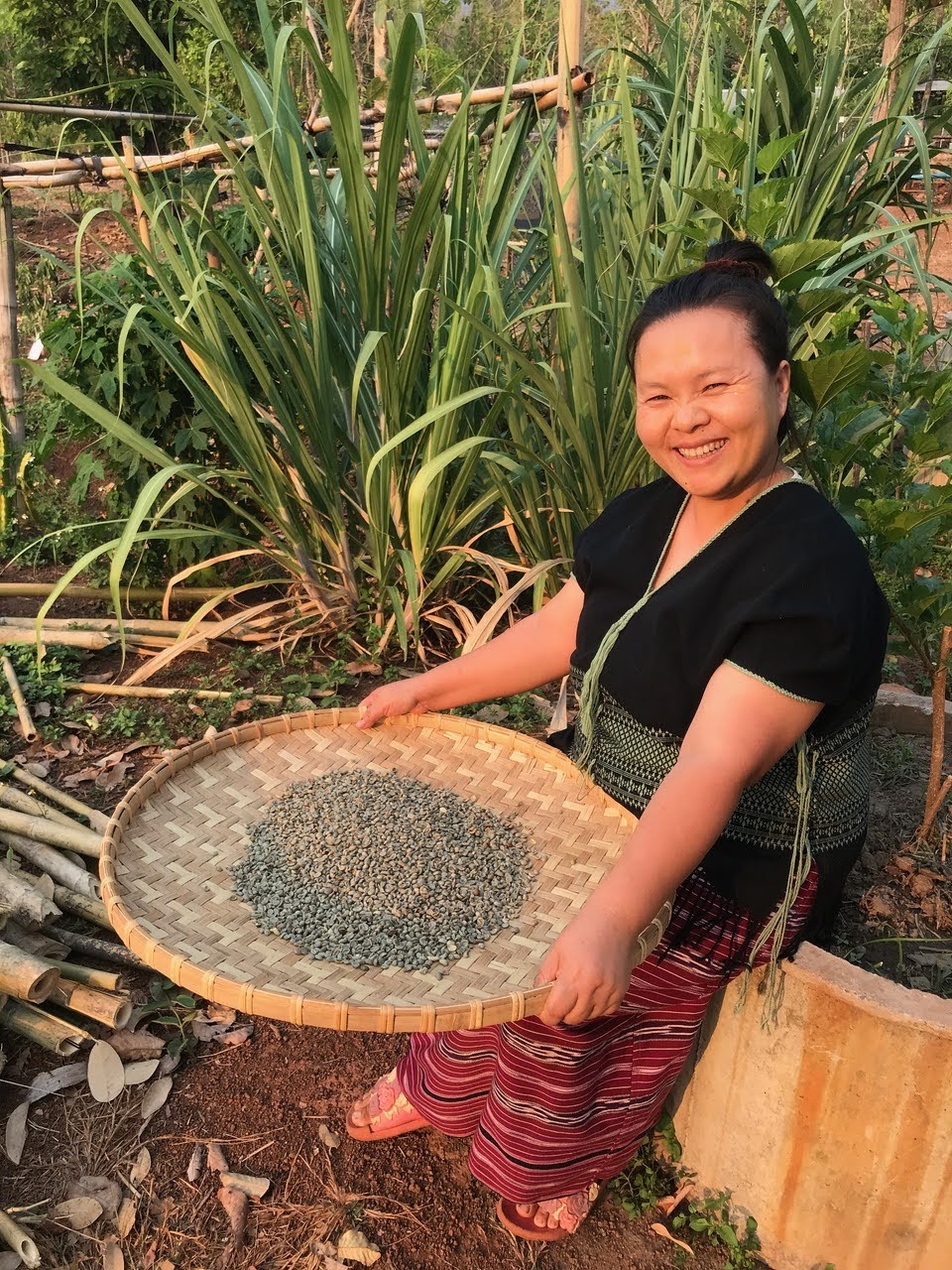
Inspecting and sorting the beans
Measures
- Establishment of a coffee processing center covering the entire value chain
- Systematic training of young people in the coffee industry
- Educational programs with regional partners on topics related to sustainable agriculture
- Annual workshops on production, ecology, quality, marketing, and sales
The Dr. Birk Foundation finances machinery and all educational measures. The Raintree Foundation contributes land, buildings, and management.
Duration
2025 - 2029
Our project partners
Thai Care e.V., Leer, Germany
Raintree Foundation, Chiang Mai, Thailand
Other projects
-
Training on demonstration fields
Tamil Nadu, Indien 2025 – 2026
At two training centers in Tamil Nadu, 900 people are receiving practical training in agriculture and marketing—an opportunity for better incomes and sustainable future prospects.Read more -
Computer learning center
Fang, Thailand 2025
New prospects for children from the Thailand/Myanmar border regions through modern learning tools: computers and online courses.Read more -
Team training at the children's home
Chiang Mai, Thailand 2025
This training project involves developing a practical training concept that specifically addresses the everyday work requirements of employees at the Raintree Foundation's children's homes.Read more -
Education at the monastery school
Pharping, Nepal 2025 - 2027
Ensuring continuity of teaching and quality of education through qualified teachers for grades 4 to 8.Read more -
Rescue from coercion and trafficking
Mumbai, India 2026 - 2028
Funding of mobile teams in India which free and rescue minor girls from human trafficking and forced prostitution, funding of vocational training for the rescued girls and retransfer to their familiesRead more -
Refuge for trafficked girls
Kathmandu, Nepal 2027 - 2029
30 girls and young women, victims of human trafficking, get support to either graduate in school or get a certified vocational training in the hotel and restaurant industry.Read more -
Thangkas: Art and Empowerment
Kathmandu, Nepal 2027 - 2032
7 persons disabeled by paraplegia undergo a 6-years vocational training as Thangka-painter which empowers them to lead economically an independent lifeRead more -
Learning Centers for Preschoolers
West Bengal, India 2026–2029
70 children between 2 and 7 years old from poor living and sanitation areas in West Bengal, India, are cared for and prepared for school in 2 learning centers.Read more -
Obstetric Fistulas: Prevention and Care
Bajura, Nepal 2027–2029
Outreach program in western Nepal focused on education, training, and care for women affected by obstetric fistulas and their stigmatizing and life-limiting consequences.Read more